
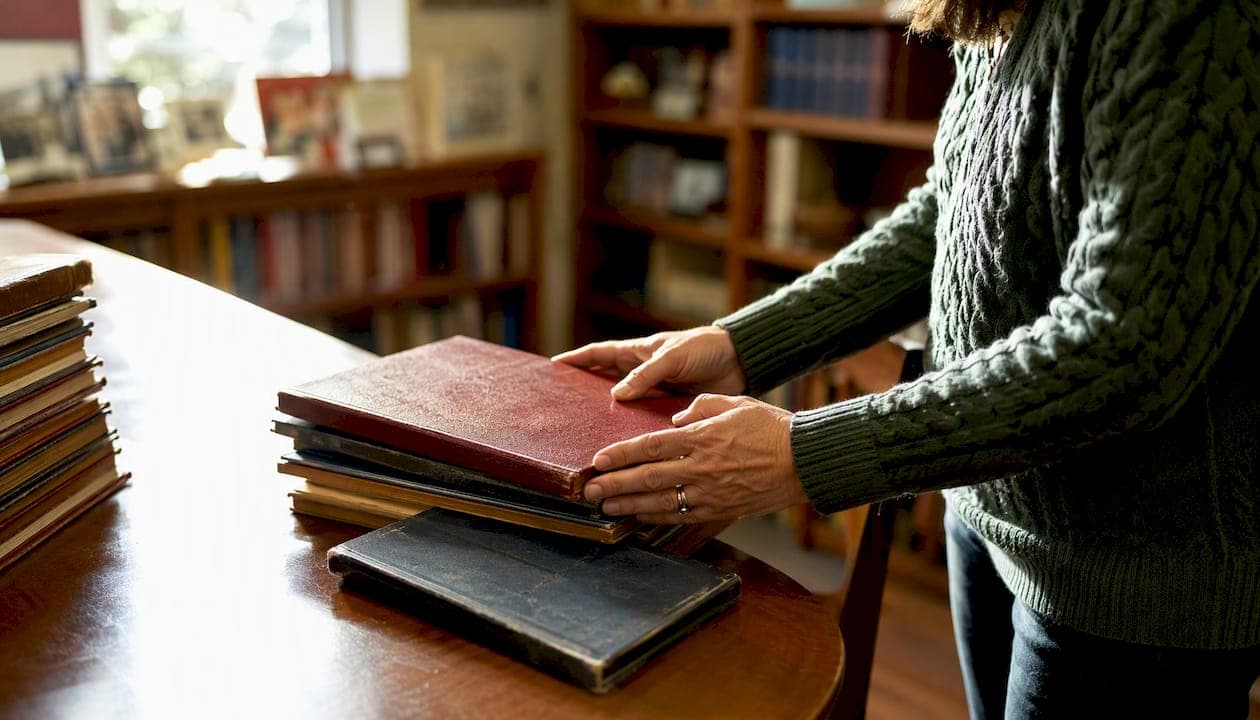
Printed yearbooks are the most reliable institutional memory-preservation tool a school has. They document who attended, what mattered, and how a community saw itself at a specific moment in time. No shared drive or social media archive comes close to that permanence. Your immediate next step: assign a yearbook adviser or administrator as the point person this semester, then request a physical sample to evaluate print quality before committing to a production run.
The school memory preservation benefits of a well-produced yearbook extend far beyond nostalgia:
- Permanent keepsake value for students, families, and alumni who revisit the book for decades
- Institutional record documenting rosters, team results, event coverage, and course offerings
- Community identity built through shared traditions, school spirit, and alumni engagement
- Student skill development in journalism, design, photography, and deadline management
- Archival and historical value as a primary source for researchers, genealogists, and district records
Key Takeaways
Yearbooks are the most reliable institutional memory-preservation tool a school has, combining permanent keepsake value, archival utility, and measurable student learning outcomes in a single annual production.
| Point | Details |
|---|---|
| Yearbooks are primary sources | Portraits, rosters, ads, and event records give historians and genealogists details found nowhere else. |
| Student skills are measurable | Yearbook production teaches design, journalism, project management, and deadline accountability. |
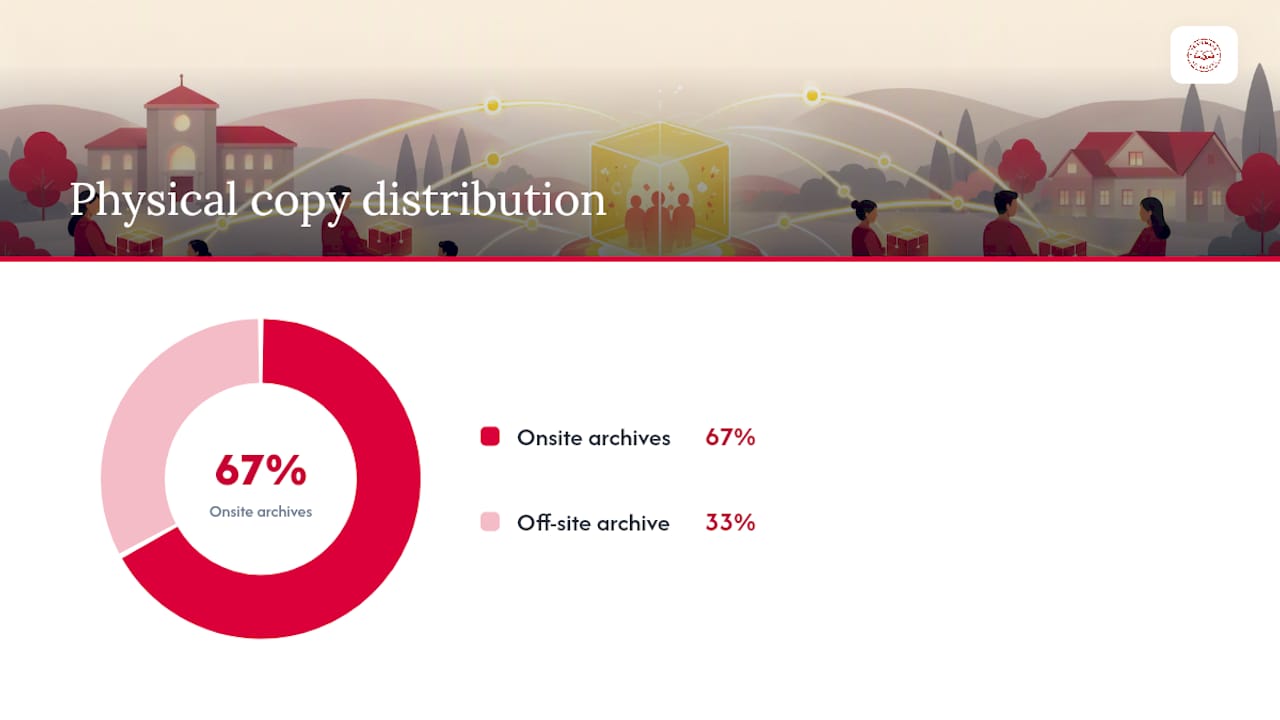
| Archiving requires a written policy | Store two physical copies on-site, one off-site digital backup in PDF/A format, with FERPA-compliant access controls. |
| Inclusive coverage is an archival duty | Documenting all student groups produces a more accurate record and stronger sense of belonging. |
| Trailmarkyearbooks simplifies production | Instant all-inclusive pricing, 2–3 week turnaround, free design help, and on-demand reprints support district archive needs. |
Table of Contents
- What are the real benefits of preserving school memories with yearbooks?
- How does yearbook production benefit students in the classroom?
- What do administrators need to know about production logistics?
- How should schools distribute and archive yearbooks for lasting value?
- How do you choose the right yearbook production partner?
- How do yearbooks support student mental health and social inclusion?
- How can yearbook content be integrated into school curricula?
- How do yearbooks promote diversity and inclusion?
- What tools make digital yearbooks more interactive and accessible?
- Long-term preservation: what actually works for digital and physical yearbooks?
- Trailmarkyearbooks makes memory preservation straightforward for your school
- An adviser's perspective on what yearbooks actually do
- Selected resources for administrators and advisers
- Sources
What are the real benefits of preserving school memories with yearbooks?
A yearbook functions as what archivists call a "book of record" — a permanent document that captures membership, activities, and institutional milestones for future reference and alumni engagement. That framing matters when you are writing a budget request, because it shifts the conversation from "nice tradition" to "institutional necessity."
The tangible, emotional value is real. Students and alumni return to printed yearbooks years after graduation in ways they simply do not return to digital photo galleries. A physical book survives a phone upgrade, a deleted account, or a platform shutdown.
Community benefits are equally concrete. Yearbooks anchor school identity around shared events and traditions, and they give alumni a reason to stay connected. That connection translates directly into engagement at reunions, fundraising campaigns, and school anniversary events. Schools that treat their yearbook program as a community-building investment tend to see stronger alumni networks over time.
On the operational side, reprint options let schools generate additional revenue after the initial run, and a well-branded yearbook reinforces the school's visual identity year over year.
Pro Tip: When presenting yearbook costs to a school board, frame the per-student cost against the book's 20-plus-year lifespan as a keepsake. The math almost always favors the program.
How does yearbook production benefit students in the classroom?
A classroom-tested yearbook program teaches students design, photography, theme development, responsibility, and deadline-driven professionalism. Those are not soft extras — they map directly to journalism, communications, and project management standards that colleges and employers recognize.
Specific skills students develop:
- Photography and visual storytelling through planned shoots and candid coverage
- Copyediting and interviewing with real publication standards and ethics
- Layout and design using tools like Adobe InDesign, Canva, or proprietary yearbook software
- Project management through role-based responsibilities and firm production deadlines
- Collaborative decision-making when resolving editorial disagreements under time pressure
A classroom-tested method from experienced yearbook teachers emphasizes a unifying theme as the organizing principle. When every spread connects to a central concept, students learn narrative coherence — a skill that transfers directly to college writing and professional communications. Advisers can find curriculum integration guidance and project-based learning frameworks that align yearbook production with existing ELA and arts standards.
What do administrators need to know about production logistics?
Cost factors that drive yearbook pricing include page count, color versus black-and-white interior pages, hardcover versus softcover binding, quantity ordered, distribution method, and whether you opt for professional design assistance. Getting a clear, all-inclusive quote before signing anything is non-negotiable.
A realistic production timeline looks like this:
| Milestone | Target Date |
|---|---|
| Assign adviser, set theme | September |
| Photography coverage begins | October |
| Copy and caption deadlines | January |
| Proofreading and revisions | February |
| Final prepress approval | March |
| Print run begins | April |
| Delivery and distribution | May |
Photo-release and privacy considerations belong in your planning from day one, not as an afterthought. Every student photograph requires a valid release on file, consistent with your district's FERPA policies and state privacy regulations. Build a yearbook policy framework into your adviser's responsibilities before the first photo is taken.
For budget requests, a straightforward framing works: "The yearbook is the school's official annual record and a permanent keepsake for every student. The per-student cost is comparable to a single textbook and produces a document families keep for decades."
How should schools distribute and archive yearbooks for lasting value?
Distribution strategy affects how much engagement the book actually generates. Onsite signing events on delivery day create immediate community energy. Staged preorder campaigns, where students pay in advance, reduce unsold inventory and give you a reliable print-quantity baseline.
For physical archiving, the basics matter more than most schools realize:
- Store copies in a cool, dry, stable environment — avoid basements prone to flooding and attics with temperature swings
- Never use adhesives, rubber bands, or binder clips directly on covers or spines
- Keep at least two physical copies in school or district archives and one off-site
- Handle older volumes with clean cotton gloves to prevent acid transfer
For digital preservation, scan yearbooks without forcing bindings flat — use a cradle scanner when possible. Name files consistently: Year-School-PageNumber (for example, 2024-LincolnMiddle-042). Store master files in PDF/A format, which is designed for long-term archival access. Maintain clear access controls for any files containing student-identifying information, consistent with FERPA requirements.
Pro Tip: Add a one-page archive checklist to your district's records retention policy. It takes 30 minutes to write and prevents decades of inconsistent storage decisions.
How do you choose the right yearbook production partner?
The vendor evaluation checklist every administrator should run through:
- Turnaround time: Can they deliver within your academic calendar? Two to three weeks is a realistic benchmark for quality production.
- Sample proofs: Will they send a physical sample before you commit to a full run?
- Reprint policy: Are on-demand reprints available if demand exceeds your initial order?
- Design support: Do they offer free design assistance, or is that an add-on cost?
- Pricing transparency: Is the quote all-inclusive, with shipping, or will fees appear later?
- School-first support: Do you get a dedicated contact, or a generic support queue?
Questions worth asking vendors directly:
- What is your standard turnaround from final file approval to delivery?
- Do you provide a physical proof before printing the full run?
- What design tools do you support (Canva, InDesign, proprietary software)?
- Is design assistance included, or billed separately?
- What is your reprint process and lead time?
- Are there order minimums or deadlines that could affect our timeline?
Trailmarkyearbooks meets all of these criteria: instant all-inclusive pricing with no hidden fees, a 2–3 week turnaround, on-demand reprints, free design assistance, and a dedicated adviser. Yearbook adviser responsibilities are well-documented in their resource hub, which is password-protected and available to school staff.
How do yearbooks support student mental health and social inclusion?
A yearbook photograph is one of the few moments in a school year when every student is formally recognized as part of the community. For students who are not athletes or club officers, that portrait page may be their only documented presence in the school's official record. That visibility matters.

Research on belonging consistently shows that students who feel seen and included in school culture report stronger engagement and lower rates of chronic absenteeism. A yearbook that deliberately covers a wide range of student groups — not just varsity sports and student government — sends a clear institutional message about who belongs. Candid spreads from academic competitions, arts programs, and community service events extend that recognition beyond the traditional hierarchy of school life.
How can yearbook content be integrated into school curricula?
The most effective integration treats yearbook production as a live project-based learning course rather than an extracurricular afterthought. When yearbook is a credited class, students show up with accountability structures — grades, deadlines, and peer review — that produce measurably better work.
Cross-curricular connections are straightforward. Photography units align with visual arts standards. Interview and caption writing maps to ELA writing and speaking standards. Layout and design connects to digital media and graphic arts courses. Budget tracking for the yearbook fund introduces real-world math applications. Schools that have formalized these connections report that yearbook students often outperform peers on project-completion and communication benchmarks.
How do yearbooks promote diversity and inclusion?
Representation in a yearbook is not just an equity issue — it is an archival accuracy issue. A book that documents only the dominant student groups produces a distorted historical record that future researchers will have to correct for. Prioritizing inclusive coverage from the planning stage (clubs, courses, marginalized student groups, multilingual students, students with disabilities) makes the book more useful to historians and more meaningful to the students who appear in it.
Practical steps: build a coverage checklist at the start of the year that maps every recognized student group to at least one spread. Assign photographers to cover events across the full academic calendar, not just fall sports. Review draft layouts before final approval to catch gaps in representation before the book goes to print.
What tools make digital yearbooks more interactive and accessible?
Digital yearbook editions can include embedded video, audio captions, and hyperlinked indexes that printed books cannot. Tools like Canva support basic interactive PDF creation. Adobe InDesign with hyperlink panels allows more sophisticated navigation. Some production platforms offer QR code integration, letting printed books link to video content hosted on the school's secure server.
Accessibility matters here. Digital editions should meet WCAG 2.1 AA standards where possible: alt text on every image, sufficient color contrast, and readable font sizes. For students with visual impairments, a screen-reader-compatible PDF is a meaningful accommodation that costs almost nothing to produce if it is built into the design workflow from the start.
Long-term preservation: what actually works for digital and physical yearbooks?
Physical books outlast most digital formats when stored correctly. A yearbook printed on acid-free paper and stored in stable conditions can remain readable for well over a century. The weak point is usually storage neglect, not the book itself.
For digital preservation, the format you choose matters more than the storage medium. PDF/A is the archival standard because it embeds fonts and color profiles, making the file self-contained and readable without the original software. TIFF files work for page scans. Avoid proprietary formats tied to specific software versions — those become unreadable when the software is discontinued.
Off-site backup is non-negotiable. A single on-premises server is not an archive. Cloud storage with versioning (Google Drive with version history, or an institutional repository) paired with a physical external drive stored off-site gives you genuine redundancy. Review and migrate digital archives every five to seven years as storage standards evolve.
Trailmarkyearbooks makes memory preservation straightforward for your school
Trailmarkyearbooks gives administrators something most production services do not: instant, all-inclusive pricing with no signup, no sales pitch, and shipping already built in. You see the real cost before you commit to anything. The typical turnaround means you are not managing a months-long vendor relationship just to get books in students' hands before the last day of school.
Free design assistance is included, not an upsell. Your adviser can work in Canva, Adobe InDesign, or Trailmarkyearbooks's own online creator — whichever fits your school's existing workflow. On-demand reprints mean you are not locked into a single print run, which matters for district archive copies and late orders. A dedicated adviser and a password-protected resource hub back every order.
Request a physical sample to evaluate print quality firsthand, or check all-inclusive production pricing and get a number you can put directly into a budget request.
An adviser's perspective on what yearbooks actually do
The conventional wisdom is that yearbooks are about nostalgia. That framing undersells them and, frankly, makes them easier to cut when budgets tighten. The stronger argument — the one that survives a school board meeting — is that a yearbook is the only document your school produces that captures the full texture of a year: who was there, what they cared about, and how the community saw itself. No administrative report does that. No social media archive does that reliably or permanently.
What gets overlooked is the curation responsibility that comes with that. A yearbook staff makes editorial decisions that shape the historical record. Which clubs get a full spread and which get a quarter page? Whose candid photos make the cut? Those choices matter to future researchers and, more immediately, to the students who feel included or excluded by them. Advisers who treat those decisions as archival choices — not just design choices — produce books that hold up as genuine institutional records.
The practical tip I give every new adviser: build your coverage list before you build your theme. Know which student groups, events, and programs you are committed to documenting, then design around that commitment. The theme is the wrapper. The coverage is the substance.
Selected resources for administrators and advisers
- More Than Portraits: Possibilities High School Yearbooks Have for Historical Research — DigitalNC's archival guide showing how yearbook content serves historians and genealogists; useful for building the case for preservation policies.
- Yearbook 101: A How-To Guide for Teaching the Yearbook Basics — NCTE-published classroom guide covering theme, roles, and deadlines; practical starting point for advisers integrating yearbook into curriculum.
- Why Do Schools Have Yearbooks? A Brief History and How to Use Yearbooks as Primary Sources — Accessible overview of yearbook history and research methodology; useful for adviser training and stakeholder presentations.
- What Is the Purpose of the Year Book? — Frames the yearbook as a book of record; useful language for budget requests and board presentations.
- Trailmarkyearbooks: Production Services and Pricing — All-inclusive instant pricing page for administrators ready to plan a production order.
Sources
Archivists and historians treat yearbooks as primary sources precisely because they contain detailed local information that disappears from other records: portraits, club rosters, event schedules, business advertisements, course lists, and candid photographs of campus life.
Yearbooks function as community-made archives. Historians should read them as curated sources that reveal what communities chose to preserve and omit, and use them alongside other records for a fuller picture. Why Do Schools Have Yearbooks? A Brief History
Historical research also traces how yearbooks both reflected and shaped student identity in early 20th-century schools, making them valuable artifacts for understanding compositional practices and cultural norms across generations.
A few practical ways to make your yearbook more archival-friendly:
- More Than Portraits: Possibilities High School Yearbooks have for Historical Research · DigitalNC
- Yearbook 101: A How-To Guide for Teaching the Yearbook Basics | ncte.org
- Why Do Schools Have Yearbooks? A Brief History—and How to Use Yearbooks as Primary Sources
- What Is The Purpose Of The Year Book? - eDesign
One honest caveat: yearbooks are curated records shaped by staff choices, budgets, and the technology available at the time. Administrators should treat them as primary sources with known selection bias, not as objective documents, and pair them with other district records when building a complete archive.