
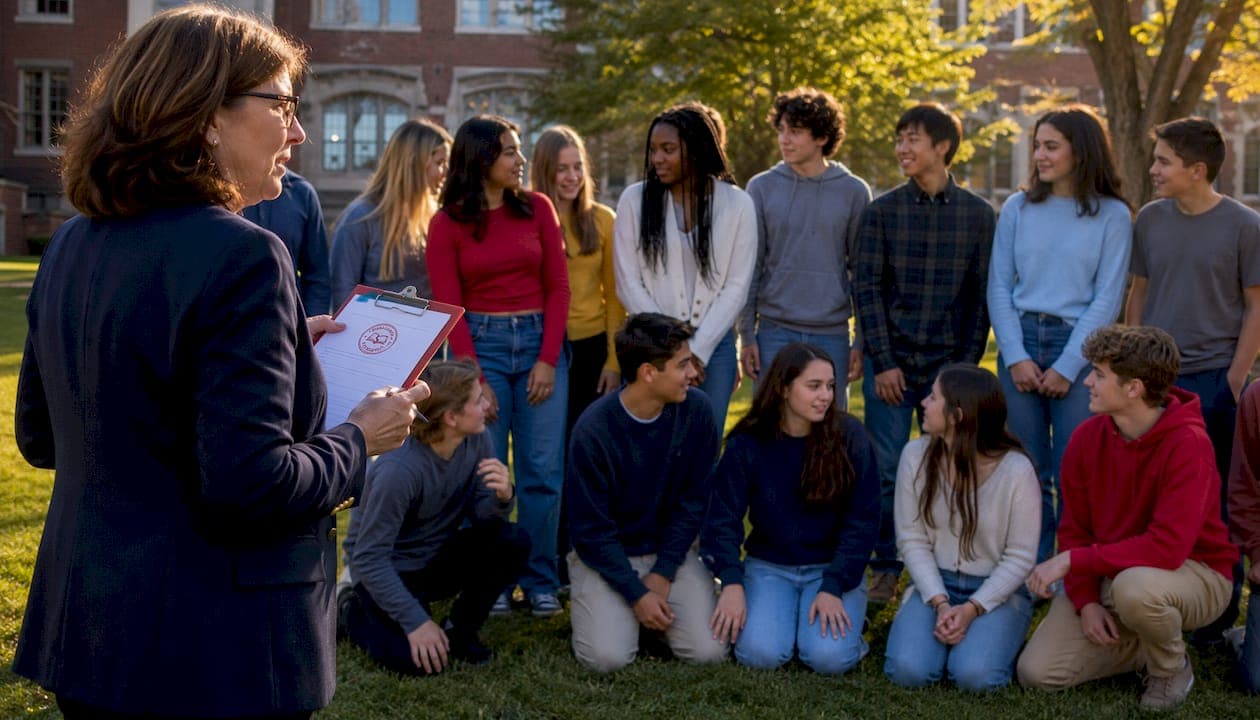
A yearbook group photo is a curated image that captures the collective identity, social structure, and shared culture of a school community at a specific moment in time. It goes well beyond a simple snapshot. These photos function as historical records, social symbols, and community artifacts, documenting which students, teams, and organizations a school chose to celebrate in a given year. Trailmarkyearbooks, with 50+ years of combined industry experience, works with schools nationwide to help yearbook staff make those choices count.
Key things a yearbook group photo communicates:
- Who belonged: which clubs, teams, and student organizations were active and recognized
- Social hierarchy: which groups received prominent placement and larger photo space
- School culture: the values, priorities, and identity a school projected that year
- Historical context: demographic shifts, changing gender roles, and evolving community norms
- Collective memory: a shared visual anchor that students and families return to for decades
How group photos became historical records
Yearbooks evolved from student-made autograph books and scrapbooks in the 19th century into mass-produced documents by the early 1900s. As photography and printing improved, schools moved from formal name lists to portraits, group shots, and candid images that captured the full texture of school life. That shift turned the yearbook into something closer to a social document than a simple directory.
Sociological research shows group photos reveal which students held status and which organizations were prioritized. After Title IX passed in 1972, for instance, girls' sports teams began appearing in yearbooks with far greater frequency, a change you can track visually across decades of archived books. The photos did not just reflect reality; they helped define it.
Sociologist Michael Messner's work on sports and gender identity connects directly to this point. Yearbook photos of athletic teams, in particular, have served as primary sources for studying how schools reinforced or challenged gender and class norms across generations.
Why editorial choices shape what group photos say
Yearbooks are curated narratives, not objective records. Editors and faculty advisors decide which groups get photographed, how large those photos run, and where they land on the page. Those decisions carry weight.
Inclusion, placement, and framing illustrate selected narratives about school life, not neutral documentation. A chess club tucked into a corner of a back page sends a different message than a football team spread across two pages. Yearbook staff often inherit these priorities from previous editions, which means biases can compound quietly over years.

On the technical side, group shots require real planning. Arranging students in two or three rows by height, keeping faces visible, and shooting tight enough to read expressions are all editorial decisions that affect how a group is perceived. A poorly composed photo can diminish a club's presence even when the intent was to honor it. Trailmarkyearbooks' photography checklist for coordinators walks staff through exactly these decisions.
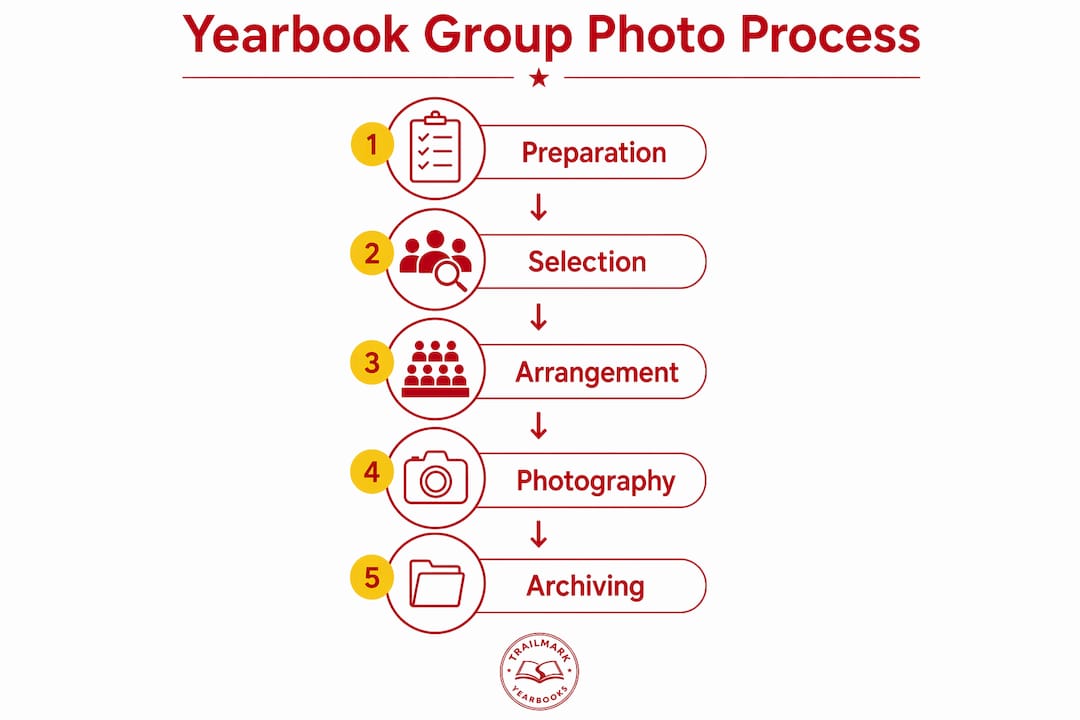
Pro Tip: Review the previous three years of your yearbook before photo day. If the same groups consistently appear larger or more prominently placed, ask whether that reflects your school's actual priorities or just habit.
What digital archiving means for group photos today
Once a group photo is digitized, it does not stay in a box in someone's attic. Digital archiving changed the privacy landscape for yearbook photos in ways schools are still catching up to. Employers, landlords, and other third parties can now access yearbook images online, sometimes decades after graduation, and draw conclusions about individuals based on group affiliations captured in a single photo.
Cultural critic Kate Eichhorn, author of School Yearbook, documents how yearbooks have been used by police, private investigators, and the FBI to identify and profile individuals. With over half a million yearbooks now available online, that reach has expanded dramatically. A student photographed in a particular group at 16 may find that image surfacing in contexts they never anticipated at 30.
Schools and yearbook advisers need clear photo privacy policies before production begins, not after. Trailmarkyearbooks' student data privacy guide covers consent, digital distribution, and policy best practices for 2026.
What Trailmarkyearbooks knows about group photo traditions
Group photos create what scholars describe as a visual uniformity fundamental to the American high school experience, a collective identity that contrasts with the individualism of senior portraits. Trailmarkyearbooks sees this play out across every school it works with, from elementary programs to large high schools.
Jace, a blog author at Trailmarkyearbooks, emphasizes that the best group photos balance tradition with intentionality. Knowing why yearbook builds community helps staff make better editorial calls, not just aesthetic ones. When yearbook staff understand the social weight a group photo carries, they approach composition, placement, and inclusion with more care.
Trailmarkyearbooks supports schools with free design assistance, flexible tools including Canva and InDesign, and a 2–3 week turnaround. For yearbook staff ready to see what that looks like in practice, request a sample to review design options firsthand.

Key Takeaways
Yearbook group photos are curated social artifacts that document school identity, reflect editorial priorities, and carry lasting implications in the digital age.
| Point | Details |
|---|---|
| More than a photo | Group photos document social structures, priorities, and school culture at a specific point in time. |
| Editorial choices matter | Placement, size, and composition reflect what editors and advisors consider worth celebrating. |
| Historical value | Photos reveal demographic and cultural shifts, including changes in gender representation after Title IX. |
| Digital permanence | Digitized yearbooks are accessible online for decades, raising real privacy concerns for students. |
| Tradition meets responsibility | Understanding a group photo's weight helps yearbook staff make more thoughtful, intentional decisions. |