
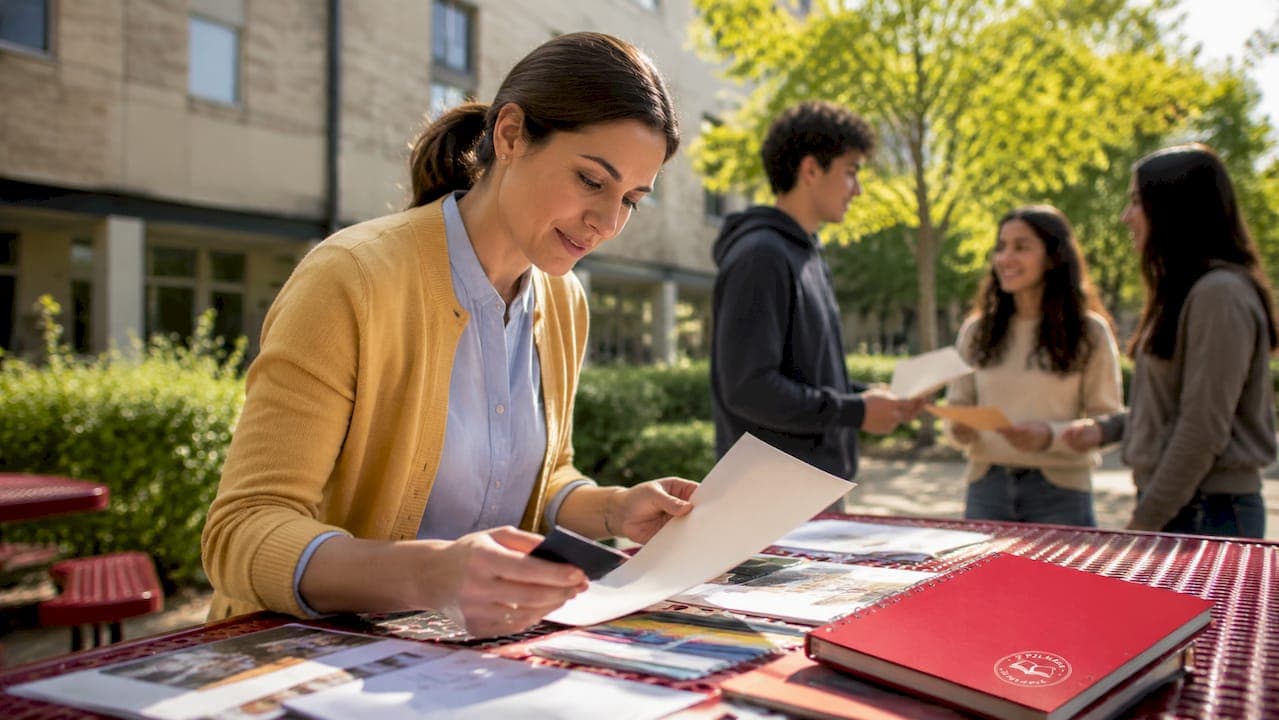
Paper weight, finish, and binding style are the three decisions that determine whether a school yearbook survives one decade or five. School yearbook paper options explained simply means understanding how each material choice affects photo quality, durability, and cost before you send a single file to print. Primavera Publishing and Eastern Press both document how interior stock, cover lamination, and binding method work together to create a yearbook that feels as significant as the memories inside it. Get these choices right and the book becomes a keepsake. Get them wrong and photos fade, pages yellow, and spines crack within years.
What are the main paper types and weights for school yearbooks?
Standard yearbook interior paper weights run from 70lb to 100lb, with 80lb to 100lb gloss-coated stock preferred for photo-heavy layouts and 70lb matte for a sophisticated, low-glare look. Weight is a measure of how thick and stiff a sheet feels in hand. Heavier stock resists bleed-through from full-color photos and gives the book a more substantial feel when students flip through it.
Gloss-coated paper reflects light, which makes colors pop and skin tones look vivid. Matte paper absorbs light, reducing glare and giving images a softer, more editorial quality. Neither is universally better. The right choice depends on your photo volume and the visual tone your school wants to set.
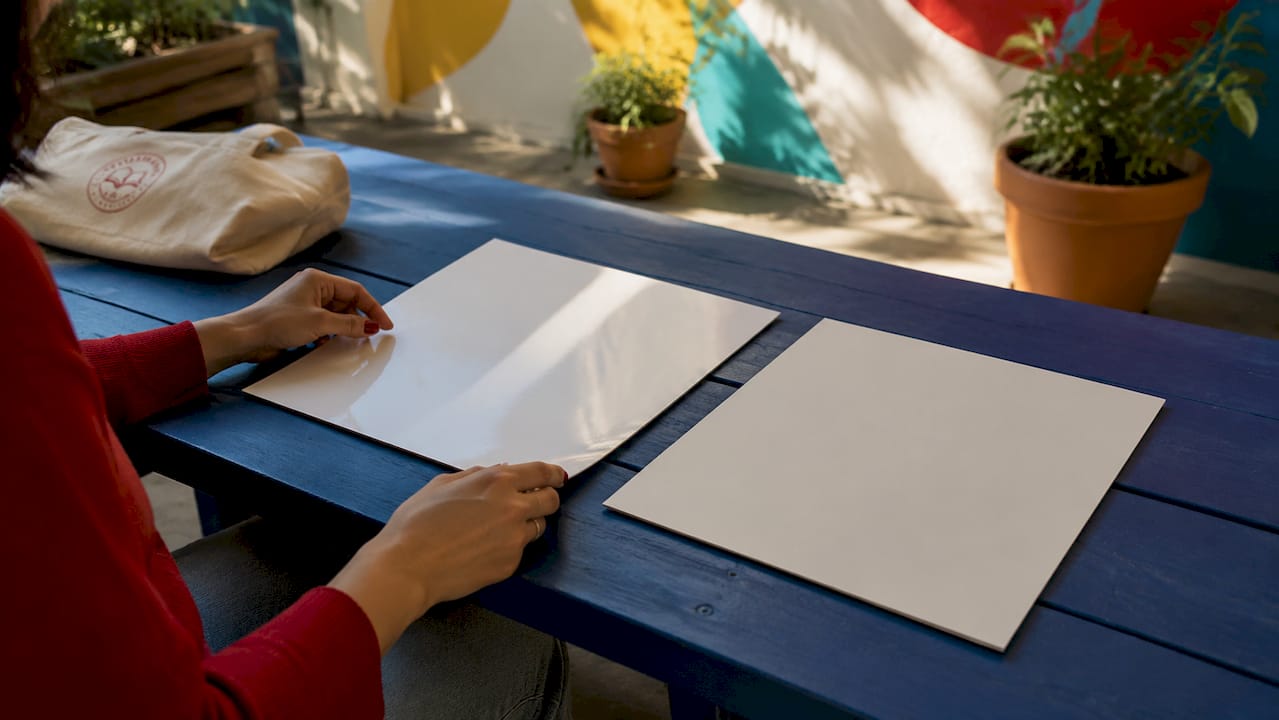
Acid-free paper prevents yellowing and chemical degradation that standard paper develops over time. This single choice has more impact on 30-year longevity than almost any other material decision. Acid-free stock costs slightly more per page, but it protects the memories inside from the chemistry of aging paper.
Cover stock runs heavier than interior pages, typically 100lb or above, because the cover absorbs the most handling. A cover printed on the same weight as interior pages will bend, crease, and show wear within the first school year.
| Paper weight | Best use | Key benefit |
|---|---|---|
| 70lb matte | Interior pages, text-heavy layouts | Low glare, clean editorial look |
| 80lb gloss | Interior pages, photo-rich spreads | Vivid color, good photo contrast |
| 100lb gloss or matte | Interior pages, premium feel | Thick, durable, minimal bleed-through |
| 100lb+ cover stock | Front and back cover | Resists bending and daily handling |
Pro Tip: Request physical paper samples from your printer before approving any job. Feeling the difference between 80lb and 100lb stock in your hand tells you more than any spec sheet.
How do paper finish options affect yearbook aesthetics and durability?
Finish is the surface treatment applied to paper after printing. It controls how the book looks, how it feels, and how well it holds up to years of handling. The four finishes most common in yearbook production are gloss lamination, soft-touch lamination, linen texture, and specialty embellishments like Spot UV and foiling.
Gloss lamination seals the cover under a thin plastic film that amplifies color and protects against moisture and scuffs. It is the most widely used cover finish because it is affordable and makes photos look sharp. The trade-off is that gloss surfaces show fingerprints clearly, which matters on a book passed between dozens of students for signatures.
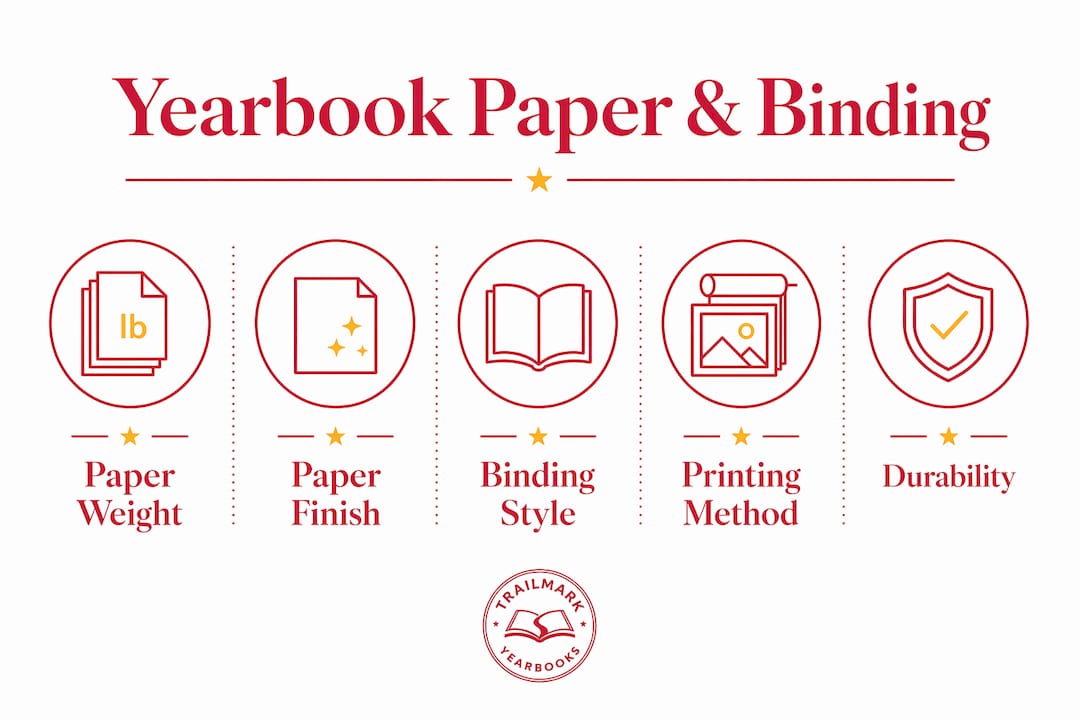
Soft-touch lamination solves the fingerprint problem. It gives the cover a velvet texture that resists smudging and feels noticeably premium in hand. Schools with larger budgets increasingly choose soft-touch because it holds up to repeated handling without looking worn. The tactile quality also signals to students that the book is worth keeping.
Linen texture adds a fabric-like grain to the cover surface. It creates a heritage aesthetic that works well for schools with a long tradition or a classic visual identity. Linen covers photograph well and age gracefully, developing a patina rather than showing damage.
"Specialty embellishments like Spot UV and gold or silver foiling create a 'trophy' aesthetic, adding multi-sensory dimension and prestige to yearbook covers beyond simple decoration." — Eastern Press
Spot UV and foiling apply a high-gloss coating or metallic layer to specific areas of the cover, such as the school name or a mascot. The contrast between a matte background and a foiled title creates a visual effect that no digital screen can replicate. These finishes cost more, but they transform the cover from a printed page into something that feels permanent and valuable.
Pro Tip: Match your finish choice to your school's culture. A small elementary school may find soft-touch lamination the perfect balance of quality and cost. A graduating senior class may want gold foiling on the cover as a one-time investment in a lasting artifact.
What binding and printing methods are best for school yearbooks?
Printing method and binding style are the two production decisions that most affect long-term durability. They are also the decisions yearbook teams most often make without enough information.
Lithographic vs. digital printing
Lithographic printing is cost-effective and delivers consistent color quality for orders over 1,000 copies. It uses physical plates to transfer ink, which means setup costs are high but per-unit costs drop significantly at scale. For large high schools printing hundreds of copies, litho is the standard choice.
Digital printing suits smaller runs of 50–200 copies with faster turnaround and no plate costs. It also supports personalization, such as printing individual student names on covers, which makes it ideal for boutique academies or elementary schools with smaller student populations. Digital printing gives late-breaking content a real path to inclusion without reprinting entire sections.
Binding options compared
- Perfect binding glues pages to the spine. It is the most common and affordable option. The weakness is that standard perfect binding becomes brittle over decades, causing pages to detach.
- PUR binding uses a stronger polyurethane reactive glue that stays flexible over time. It resists cracking better than standard perfect binding and is a meaningful upgrade for schools that want books to last 20 or more years.
- Smyth sewn binding gathers pages into signatures, sews them together, then glues the spine. Smyth sewn books can last over 50 years, lay flat when open, and resist page loss even with heavy use. It is the gold standard for yearbook longevity.
- Hardcover binding adds a rigid board cover over any of the above methods. Hardcover yearbooks deliver a library-bound feel and superior durability. Softcover is more budget-friendly and works well for smaller or primary schools with tighter budgets.
| Binding type | Durability | Best for | Cost level |
|---|---|---|---|
| Perfect binding | Moderate | Budget-conscious schools | Low |
| PUR binding | High | Schools wanting 20+ year lifespan | Medium |
| Smyth sewn | Very high | Legacy-focused programs | Medium-high |
| Hardcover | Very high | Premium, library-quality books | High |
How do you choose yearbook paper and print options on a budget?
Choosing yearbook paper comes down to three variables: how many copies you need, how long you want the book to last, and how much your budget allows per copy. Most yearbook teams underestimate how much the binding decision affects total cost relative to paper weight.
Start with your print run. Schools printing fewer than 200 copies should default to digital printing. Schools printing more than 500 copies will save money per unit with lithographic printing. The crossover point where litho becomes cost-effective sits around 300–500 copies for most printers.
Next, set your longevity goal. If the yearbook is a keepsake meant to last a generation, acid-free paper and Smyth sewn binding are non-negotiable. If the primary goal is affordability for a small school, 80lb gloss interior with PUR binding and a soft-touch laminated softcover delivers strong quality at a manageable price.
Building a physical mockup using blank stapled paper before final print helps your team visualize thickness, feel, and layout. This low-tech step catches problems that no screen preview reveals, including whether the spine is wide enough for the title or whether the paper feels too thin for the page count.
A practical decision checklist for yearbook teams:
- Print run under 200 copies: choose digital printing with PUR or perfect binding
- Print run over 500 copies: choose lithographic printing with PUR or Smyth sewn binding
- Budget-first priority: 80lb gloss interior, softcover, gloss lamination
- Legacy-first priority: 100lb interior, acid-free paper, Smyth sewn, hardcover with soft-touch or foil finish
- Elementary schools: review paper stock guidance by school level to match age-appropriate durability needs
- Cover design focus: explore cover finish options like Spot UV and foiling before finalizing your cover spec
Paper quality drives the emotional weight of a yearbook. Investing in premium paper preserves memories and prevents the washed-out images that cheap stock produces within a few years.
Key takeaways
The single most important decision in yearbook production is pairing acid-free paper with a sewn binding, because those two choices determine whether the book survives 10 years or 50.
| Point | Details |
|---|---|
| Paper weight matters | Use 80lb to 100lb stock for photo-rich interiors; heavier cover stock prevents bending. |
| Finish affects durability | Soft-touch lamination resists fingerprints and handling better than standard gloss. |
| Acid-free paper is non-negotiable | Acid-free stock prevents yellowing and chemical degradation over decades. |
| Binding determines lifespan | Smyth sewn binding outlasts perfect binding by decades and allows books to lay flat. |
| Match print method to volume | Digital printing suits runs under 200 copies; lithographic printing saves cost above 500 copies. |
Why paper choices define a yearbook's legacy
Most yearbook teams spend the majority of their energy on design and photography, which makes sense. But the physical object is what students actually keep. I have seen beautifully designed yearbooks fall apart within five years because the binding was standard perfect binding on lightweight stock. The photos were stunning. The book was not built to last.
The mistake I see most often is treating paper and binding as afterthoughts decided by default pricing. Printers offer base packages for a reason. Those packages are not designed around longevity. They are designed around margin. Yearbook teams that accept default specs without asking about acid-free paper or sewn binding options are leaving decades of durability on the table.
The tactile experience of a yearbook matters more than most educators realize. When a student picks up a book with a soft-touch cover and thick, flat-opening pages, they feel the quality before they see a single photo. That physical signal tells them the book is worth keeping. A flimsy, gloss-only cover with thin pages sends the opposite message, regardless of the design inside.
My recommendation is to request a sample kit from your printer before committing to any spec. Hold the paper. Open the binding. Check how flat it lays. That 10-minute exercise will tell you more about your final product than any PDF proof. For schools focused on hardcover binding decisions, the investment pays off every time a graduate pulls the book off a shelf 20 years later.
— Jace
Trailmarkyearbooks makes paper selection straightforward
Choosing between paper weights, finishes, and binding styles is much easier when you can hold the options in your hand. Trailmarkyearbooks offers a dedicated sample request service so your yearbook team can evaluate real paper stocks and cover finishes before committing to a print run.
Trailmarkyearbooks works with elementary, middle, and high schools nationwide, with all-inclusive pricing, no hidden fees, and shipping included. Whether your school needs a budget-friendly softcover or a premium hardcover with foil embellishments, the team brings 50+ years of combined experience to help you make the right call. Request a sample kit to feel the difference between paper grades and finishes firsthand. When you are ready to print, fast and affordable production with a 2–3 week turnaround is ready for schools of any size.
FAQ
What paper weight is best for yearbook interior pages?
80lb to 100lb gloss-coated paper is the standard for photo-rich yearbook interiors. 70lb matte works well for text-heavy layouts where glare reduction matters more than color vibrancy.
Why does acid-free paper matter for yearbooks?
Acid-free paper prevents the yellowing and chemical breakdown that standard paper develops over time. It is one of the highest-impact choices for preserving yearbook quality over decades.
What is the most durable yearbook binding?
Smyth sewn binding is the most durable option, allowing yearbooks to last over 50 years and lay flat when open. PUR binding is a strong mid-range alternative that outperforms standard perfect binding.
When should a school choose digital vs. lithographic printing?
Digital printing suits runs of 50–200 copies with fast turnaround and no plate costs. Lithographic printing delivers better per-unit cost and color consistency for runs above 1,000 copies.
What cover finish resists fingerprints and daily handling?
Soft-touch lamination is the best choice for covers handled by many students. It provides a velvet texture that resists smudging and holds up to repeated use better than standard gloss lamination.