
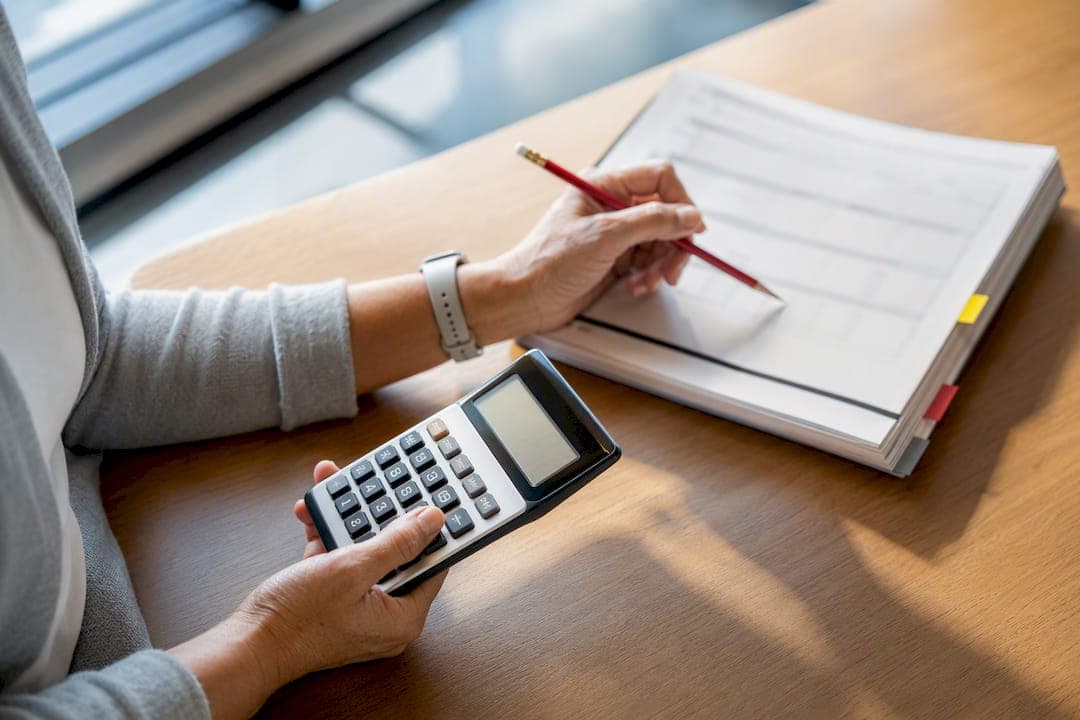
Most schools land somewhere between $30 and $95 per book once you account for grade level, page count, and cover choice, with high school editions running highest. The single biggest lever advisers control isn't the vendor they pick, it's volume and timing: locking in orders early and printing at the right quantity tier can shift the per-book price by $20 or more. Run a break-even calculation before you set a sale price, and check whether an all-inclusive option like TrailMark Yearbooks fits your budget before assembling a package piece by piece.
TL;DR:
- Locking in early volume and timing can reduce per-book costs by over $20, especially at higher print volumes, for school yearbooks.
- Page count and special features such as personalization, foil covers, and heavier covers significantly impact the final price, often more than school level.
- Planning your total number of pages before selling ad space prevents unexpected budget overruns caused by post-sale additions.
- Choosing a flat all-inclusive pricing model with transparent deadlines and costs simplifies budgeting and minimizes surprises.
- Digital options and reprints offer lower-cost alternatives that can help fund the print edition, especially for cost-sensitive families.
Table of Contents
- Yearbook Pricing Explained by School Level
- What Drives the Cost of a Yearbook
- Which Pricing Model Fits Your School?
- A Simple Break-Even Worksheet for Yearbook Budgets
- Digital Yearbooks and Reprints as Lower-Cost Options
- Timing Your Order to Lock the Best Price
- How TrailMark Yearbooks Approaches All-Inclusive Pricing
- Get an Instant Quote and Compare It Against Your Worksheet
- Sources
Yearbook Pricing Explained by School Level
The numbers change a lot depending on who the book is for. Elementary yearbooks tend to be smaller, thinner, and simpler in production, while high school editions have more pages, more color, and heavier customization.
According to pricing data from eDesign, elementary books typically run $15 to $35, middle school lands at $30 to $50, and high school books run $65 to $95. Broader industry reporting puts the full physical yearbook market at $50 to $100, with high school specifically clustering between $60 and $95.
A base price usually covers core printing, standard binding, and basic shipping. It usually does not cover personalization, senior ads, foil covers, or rush production. Two schools ordering the "same" 40-page softcover book can land 20 dollars apart once one adds name stamping and the other doesn't.
| School Level | Typical Price Range | Common Page Count | Typical Cover |
|---|---|---|---|
| Elementary | $15–$35 | 35 pages | Softcover |
| Middle School | $30–$50 | 40 pages | Softcover or hardcover |
| High School | $65–$95 | 65 pages | Hardcover |
School size changes this math further. A smaller school ordering fewer copies often pays more per book simply because fixed costs get spread across fewer units.
What Drives the Cost of a Yearbook
Page count is the biggest cost driver by far. Every added spread, especially in full color, adds to the print run's total cost. Beyond that, a handful of choices do most of the work in either inflating or controlling your final price.
- Paper weight and finish (matte, gloss, or specialty laminates) each carry a different per-page cost.
- Hardcover binding costs more than softcover, sometimes significantly more at low volumes.
- Personalization like name stamping or foil embossing is almost always priced per book, not per order.
- Dust jackets, autograph pages, and senior recognition ads are common add-ons that raise the final total.
- Quantity tiers matter: committing to a higher print run early usually earns a lower unit price than ordering in small batches later.
Reviewing paper options before finalizing your spec sheet can prevent a surprise jump between your draft budget and your final invoice.
Pro Tip: Lock your page count before you sell ad space. Adding pages after ads are sold is one of the fastest ways to blow through a budget nobody planned for.
Which Pricing Model Fits Your School?
Schools generally use one of three approaches, and picking the wrong one for your community can cost families real money or leave your budget short.
- Pre-sale with early-bird pricing. Families who order months ahead pay less, often $20 to $30 less than late-order pricing. This rewards planning but requires strong early communication.
- Tiered or package pricing. A base book plus optional add-ons (personalization, extra pages, protective covers) lets families choose their own spending level. This keeps entry costs low while still capturing revenue from families who want extras, an approach worth exploring in package structures built for schools.
- Flat all-inclusive pricing. One price covers shipping, basic personalization, and standard production, with no line-item surprises. This is easiest for families to understand and easiest for advisers to budget against.
Some schools subsidize part of the cost through the PTA or district funds, particularly for elementary editions where affordability affects participation rates.
A Simple Break-Even Worksheet for Yearbook Budgets
Set your sale price using three numbers: fixed production costs, variable cost per book, and expected sales.
- Add up fixed costs (design time, base setup fees).
- Determine variable cost per book (printing, shipping, personalization).
- Divide fixed costs by expected sales, then add the variable cost per book. That's your break-even price.
- Add a margin for ad-sale shortfalls or unsold copies.
Offset the gap with senior ads, local business ads, or a PTA subsidy. A device buyback program through a partner like BuyBackBear can also generate unexpected funds if your school is retiring old iPads or Chromebooks around the same budget cycle.
Digital Yearbooks and Reprints as Lower-Cost Options
Not every family needs a full hardcover print, and that's where digital and reprint options earn their keep.
- Digital-only or hybrid access plans can run just a few dollars a month, according to Classmates' pricing data, making them a realistic option for cost-sensitive families.
- Reprints of past editions typically cost around $79.95 for softcover and $99.95 for hardcover, worth considering before commissioning an entirely new print run.
- Offering a digital add-on alongside the print book can generate extra revenue that helps subsidize a lower base print price for everyone else.
Digital access also reduces how many physical copies you need to print, which trims your total print volume and cost.
Timing Your Order to Lock the Best Price
Standard production windows run a few weeks; rush orders cost more and compress your review time. Early-bird cutoffs typically save families $20 to $30 per book compared to late orders, so publicize that deadline loudly.
- Confirm shipping costs are bundled into your quoted price, not billed separately later.
- Ask whether personalization fees are per book or per order.
- Check the vendor's reprint policy before final printing, not after.
- Always verify current pricing against the live order portal rather than an old price sheet.
Pro Tip: Set your internal deadline two weeks before the vendor's official cutoff. It gives you a buffer for late forms and slow-paying families without missing the early-bird window.
How TrailMark Yearbooks Approaches All-Inclusive Pricing
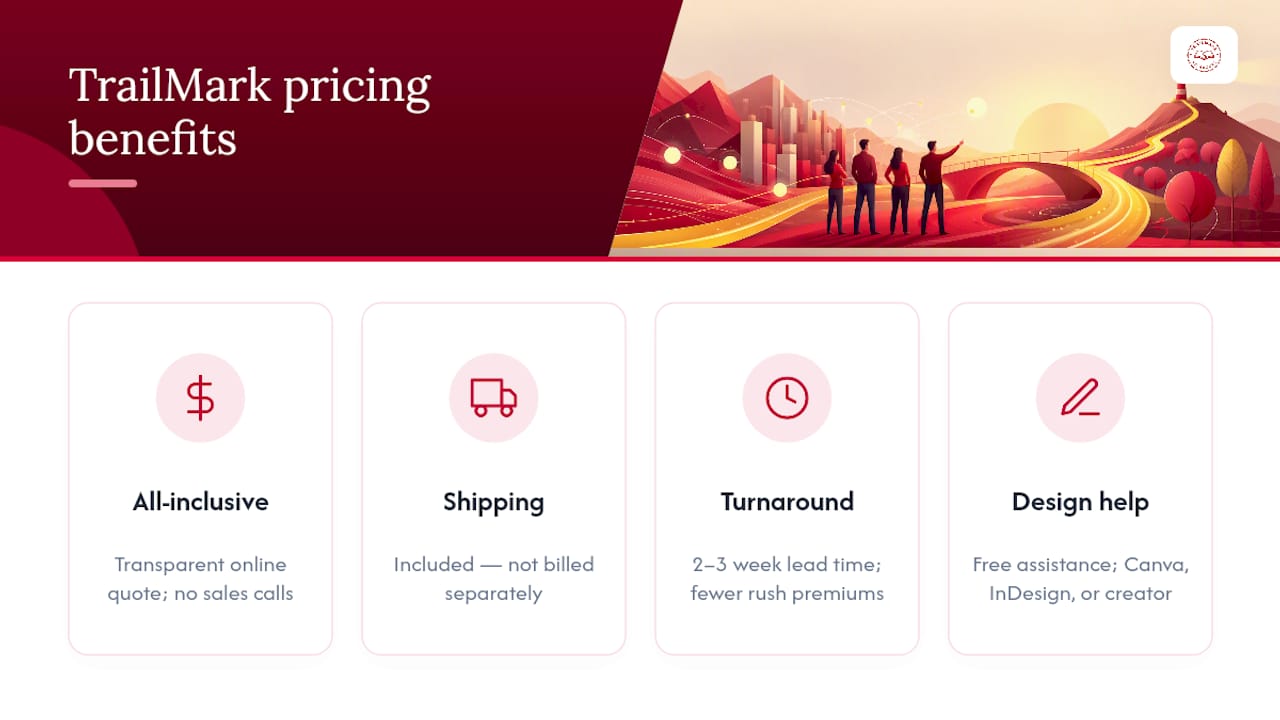
TrailMark Yearbooks publishes instant, all-inclusive pricing online, no sales calls required, which removes the guesswork this whole worksheet is built to solve. Shipping is included, not billed as a surprise line item, and turnaround runs 2 to 3 weeks, which cuts down on the rush-order premiums that hit schools who order late. Free design assistance and flexible tools (Canva, InDesign, or TrailMark's own online creator) mean advisers aren't paying extra for basic layout help.
That combination directly answers the two biggest budgeting headaches in this guide: hidden fees and deadline pressure. A transparent quote up front is worth more to a stretched budget than a slightly lower sticker price that comes with add-on surprises three weeks later.
— Jace
Get an Instant Quote and Compare It Against Your Worksheet
Getting a real number takes minutes, not a sales call. Head to TrailMark's products and services page, enter your school's page count, cover preference, and expected order volume, and you'll get an all-inclusive price on the spot, no signup required.
Before you commit, request a physical sample and check three things: cover rigidity, paper weight against your school's usual standard, and whether color pages hold true tone edge to edge. Once you have TrailMark's quote in hand, plug it straight into the break-even worksheet above using your actual expected sales number. If the math clears your target price with room for a modest margin, you have your answer. Request your sample today and compare it against whatever your school printed last year.
Sources
- How Much Do Yearbooks Usually Cost | Yearbook Pricing in 2026
- How Much Does A Yearbook Usually Cost? - eDesign