
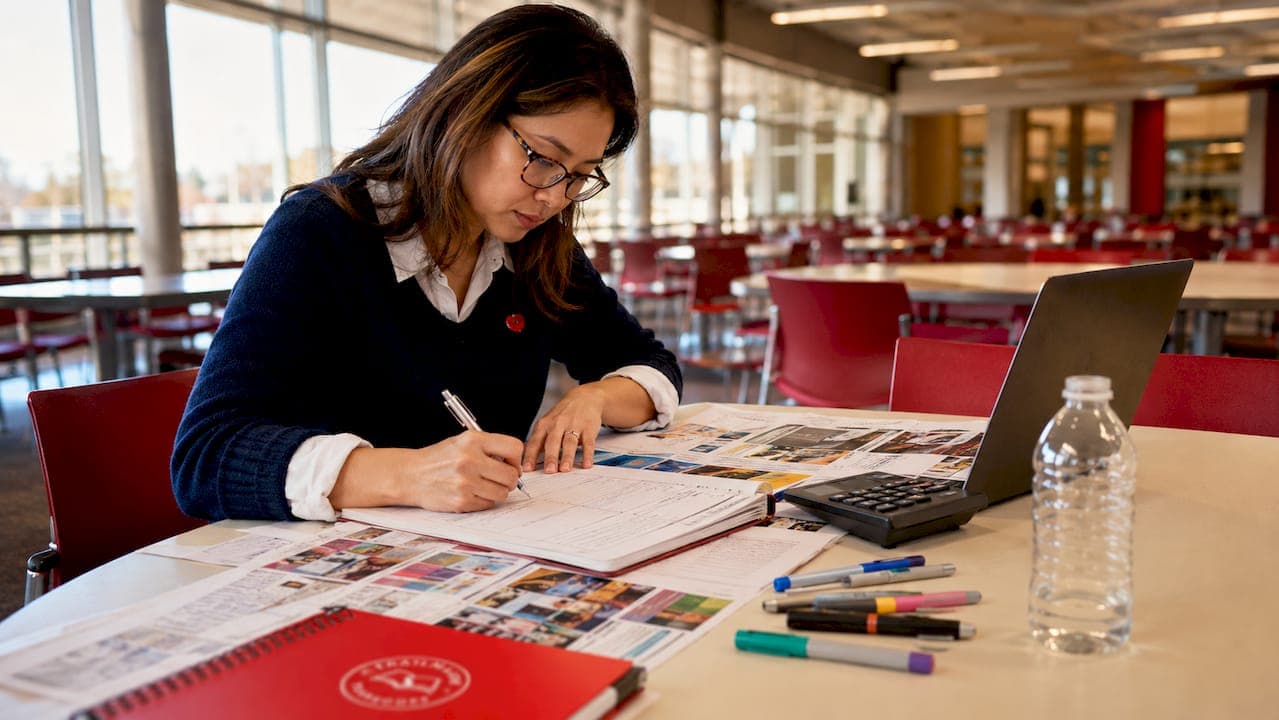
School yearbook budget planning is the process of estimating, organizing, and managing all funds required to produce a yearbook from first draft to final delivery. For yearbook advisers and school finance coordinators, getting this right means balancing print quality, student demand, and available revenue before a single page is designed. The stakes are real: per-book costs range from $5 to over $100, and programs that skip structured planning routinely overspend or underdeliver. This guide walks you through every stage of the process, from locking in your core costs to tracking expenses through production.
What are the key components of school yearbook budget planning?
Every realistic yearbook budget starts with a line-item breakdown of costs. Treating the budget as a single lump sum is the fastest way to run short. The major expense categories include printing, cover customization, shipping, rush fees, design software, photography, and marketing. Each one behaves differently as your order size or page count changes.
Printing is the largest variable. Cost per book drops as quantity increases, but adding full-color pages or premium paper stock pushes it back up. Cover customization, such as embossing, foil, or hardcover upgrades, adds a fixed fee per book regardless of quantity. Shipping is frequently overlooked until the invoice arrives, and rush production fees can double your per-unit cost if deadlines slip.

Below is a comparison of common cost categories and typical price ranges to anchor your planning:
| Cost Category | Typical Range | Notes |
|---|---|---|
| Printing (per book) | $5 to $100+ | Depends on quantity, page count, and color |
| Cover customization | $2 to $15 per book | Hardcover, foil, embossing add cost |
| Shipping | $0.50 to $3 per book | Often excluded from base quotes |
| Rush production fees | 10% to 30% of print cost | Avoidable with early deadlines |
| Design software | $0 to $500 per year | Canva is free; Adobe InDesign requires a license |
| Photography | $200 to $2,000+ | Staff photographer vs. contracted professional |
| Marketing and ad sales | $50 to $500 | Flyers, social posts, event announcements |
Design software costs vary widely. Canva is free and works well for most elementary and middle school programs. Adobe InDesign requires a paid license but gives high school programs more layout control. Photography is another line item that surprises first-time advisers. If your school does not have a dedicated photographer, contracting one for picture day and key events adds up quickly.
Pro Tip: Build your budget spreadsheet with every category listed before you request a single vendor quote. Blank rows invite forgotten costs.
How do you set a yearbook budget that balances quality and cost?
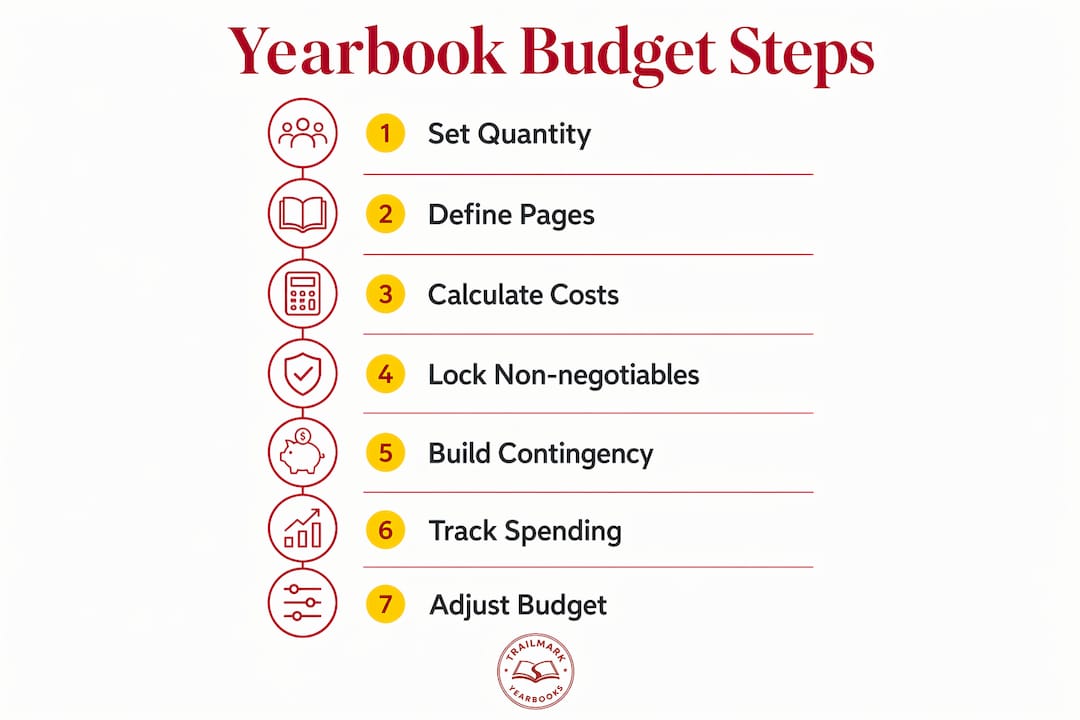
The most reliable method for setting a yearbook budget starts with locking in non-negotiables: book quantity, page count, binding style, and color strategy. These four variables control roughly 70% of your total print cost. Everything else, premium finishes, digital add-ons, and custom covers, gets evaluated only after the core parameters are fixed.
Once you have those numbers, calculate your estimated per-book cost and multiply by quantity to get your base print budget. Then add a contingency buffer of 10 to 20% on top of that total. This buffer absorbs late page additions, reprints, or shipping overages without forcing you to cut content.
Here is how budget levels typically break down by school size:
| Budget Level | School Size | Estimated Total Budget |
|---|---|---|
| Low | 50 to 100 copies | $500 to $5,000 |
| Mid | 200 to 500 copies | $3,000 to $15,000 |
| High | 1,000+ copies | $10,000 to $50,000+ |
One of the most effective cost-saving strategies is hybrid color printing. This means printing the interior in black and white with selective full-color pages reserved for portraits, senior spreads, and major events. You preserve visual impact where it matters most while cutting per-page color costs significantly. For more on how color choices affect your final invoice, the Trailmarkyearbooks post on full-color printing breaks down the tradeoffs clearly.
Another underused tactic is "page math." Planning your page count early and accounting for likely additions before you finalize the contract prevents the costly surprise of adding spreads at the last minute. A single extra spread added after print setup can cost two to three times what it would have cost if planned from the start.
What school yearbook funding sources and sales strategies work best?
A well-structured yearbook program rarely relies on a single revenue source. Effective funding combines pre-sales, personalization upcharges, ad sales, fundraising, and school budget allocations. Each source fills a different gap in your revenue plan.
Pre-sales with early-bird pricing are the highest-leverage tool available to most advisers. Offering a $5 to $10 discount for purchases made before a set date creates urgency and locks in revenue before production begins. This matters because your printer will likely require a deposit based on projected quantity. Knowing your confirmed sales number early gives you negotiating power and reduces the risk of over-ordering.
Here are five practical funding sources worth building into your yearbook program budget planning checklist:
- Early-bird pre-sales: Discount pricing for purchases made 60 to 90 days before delivery. Drives volume and early cash flow.
- Personalization upcharges: Offer name stamping, custom icons, or senior quote pages for an added fee of $3 to $10 per book.
- Page sponsorships: Local businesses pay $50 to $300 to sponsor a page or section. A single sponsor page can offset photography costs entirely.
- Photo sales: Sell digital or printed event photos to families. This works especially well for sports and performing arts programs.
- School budget allocation or grants: Many districts allocate funds to student publications. Submit a formal budget proposal to your principal or finance office early in the school year.
Transparent financial tracking strengthens your case for school allocations. When administrators can see a clear revenue and expense summary, they are far more likely to approve funding requests. The Trailmarkyearbooks guide on yearbook price increases explains how to communicate cost changes to parents and administrators without losing community support.
How do you track and adjust your yearbook budget during production?
Budget management does not end when the contract is signed. Costs shift throughout the production cycle, and advisers who track expenses in real time avoid the scramble that comes from discovering overruns at delivery. A shared spreadsheet with columns for budgeted amount, actual spend, and variance by category is the minimum tracking tool every program needs.
Verifying vendor quotes line by line is non-negotiable. Shipping, rush fees, and cover customization are the three categories most likely to appear as surprise charges if you do not confirm they are included in your base quote. Treat each as a separate budget line item from day one.
Pro Tip: Request an itemized quote from every vendor and compare it against your budget spreadsheet before signing. If a line item is missing from the quote, ask for it in writing.
Key practices for ongoing budget management include:
- Review actual versus budgeted spend at least once per month during production.
- Flag any layout changes that add pages immediately and get a revised cost estimate from your vendor.
- Communicate budget status to your school finance coordinator at each major production milestone.
- Keep a running total of confirmed yearbook sales versus projected sales to catch revenue shortfalls early.
For advisers managing tight timelines, the Trailmarkyearbooks deadline management checklist connects production milestones directly to budget decision points, which makes it easier to catch cost-driving delays before they compound.
Common mistakes in yearbook budget planning and how to avoid them
The most frequent and costly errors in yearbook cost management share a common cause: assumptions made without verification. Underestimating costs, ignoring contingency buffers, and overestimating sales are the three mistakes that send programs over budget year after year.
Overestimating sales is particularly dangerous. If you order 400 books expecting to sell 400 but only sell 320, you absorb the cost of 80 unsold copies. Build your order quantity around confirmed pre-sales plus a conservative estimate for at-the-door sales, not your best-case scenario.
Watch for these specific pitfalls:
- Skipping the contingency buffer: A 10 to 20% buffer is not optional. Late changes, reprints, and shipping overages are predictable in aggregate even when unpredictable individually.
- Accepting a single-line vendor quote: Quotes that bundle all costs into one number hide hidden fees for shipping, rush production, and cover upgrades.
- Delaying budget reviews: Advisers who check finances only at the end of production have no room to course-correct.
- Ignoring page count creep: Every added spread has a cost. Approving layout additions without checking the budget impact is a common and avoidable error.
Key takeaways
Effective school yearbook budget planning requires locking in core production variables first, building a contingency buffer, and tracking expenses against revenue throughout the entire production cycle.
| Point | Details |
|---|---|
| Lock in non-negotiables first | Fix quantity, page count, binding, and color strategy before evaluating any premium add-ons. |
| Build a 10 to 20% contingency buffer | Budget overruns from late changes and shipping surprises are predictable. Plan for them. |
| Diversify funding sources | Combine pre-sales, page sponsorships, personalization upcharges, and school allocations to reduce reliance on any single revenue stream. |
| Verify every vendor quote line by line | Shipping, rush fees, and cover costs are the most common sources of surprise charges. |
| Track actuals monthly | Comparing budgeted versus actual spend at each production milestone gives you time to adjust before costs become unmanageable. |
What I've learned from watching yearbook budgets succeed and fail
Most yearbook budget problems I have seen are not math problems. They are communication problems. The adviser who runs a tight, well-funded program is almost always the one who starts the budget conversation in August, not January. They have already talked to their finance coordinator, submitted a funding proposal, and locked in a vendor quote before most programs have even chosen a cover style.
The advisers who struggle tend to treat the budget as a constraint to work around rather than a tool to work with. They approve layout additions without checking costs, accept vendor quotes at face value, and assume sales will hit the high end of their projection. When reality lands differently, there is no buffer and no time to recover.
One thing I would push back on in conventional yearbook advice is the idea that cutting quality is the primary cost-saving lever. It is not. Hybrid printing, early pre-sales, and page sponsorships can close a $2,000 to $3,000 budget gap without removing a single color spread. The creative vision does not have to suffer. The financial planning just has to be honest and early.
Transparent budgeting also builds trust with students, parents, and administrators in ways that matter beyond the current year. When your community sees that the yearbook program is managed responsibly, they support it. That support shows up as faster pre-sales, easier grant approvals, and more business sponsors willing to buy a page. The budget is not just a financial document. It is a credibility document.
— Jace
Start your yearbook budget with the right partner
Getting your yearbook budget right starts with knowing exactly what you will pay before you commit. Trailmarkyearbooks offers instant all-inclusive pricing online with no signup, no sales pitch, and no hidden fees. Shipping is included, turnaround runs 2 to 3 weeks, and free design assistance is available whether your team uses Canva, InDesign, or the Trailmarkyearbooks online creator. If you want to see the product before you plan your budget, request a sample at no cost. If you want to talk through your specific numbers with someone who knows school yearbook programs, connect with a rep for personalized guidance.
FAQ
What does school yearbook budget planning include?
School yearbook budget planning covers all costs from printing and cover customization to shipping, design software, photography, and marketing. A complete budget also accounts for revenue sources like pre-sales, ad sales, and school allocations.
How much does a school yearbook cost to produce per book?
Per-book costs typically range from $5 to over $100, with most schools spending $20 to $60 per copy depending on quantity, page count, and color choices. Larger print runs lower the per-unit cost significantly.
What is the best way to fund a school yearbook program?
The most effective approach combines early-bird pre-sales, personalization upcharges, page sponsorships from local businesses, and a formal school budget allocation. Relying on a single funding source creates unnecessary financial risk.
How do you avoid hidden fees in yearbook vendor quotes?
Request an itemized quote that lists shipping, rush production fees, and cover customization as separate line items. Any quote that bundles all costs into a single number should be questioned before signing.
When should yearbook budget planning start?
Budget planning should begin at the start of the school year, ideally in August or September. Starting early gives advisers time to secure school funding, run pre-sales, and lock in vendor pricing before production deadlines create pressure.