
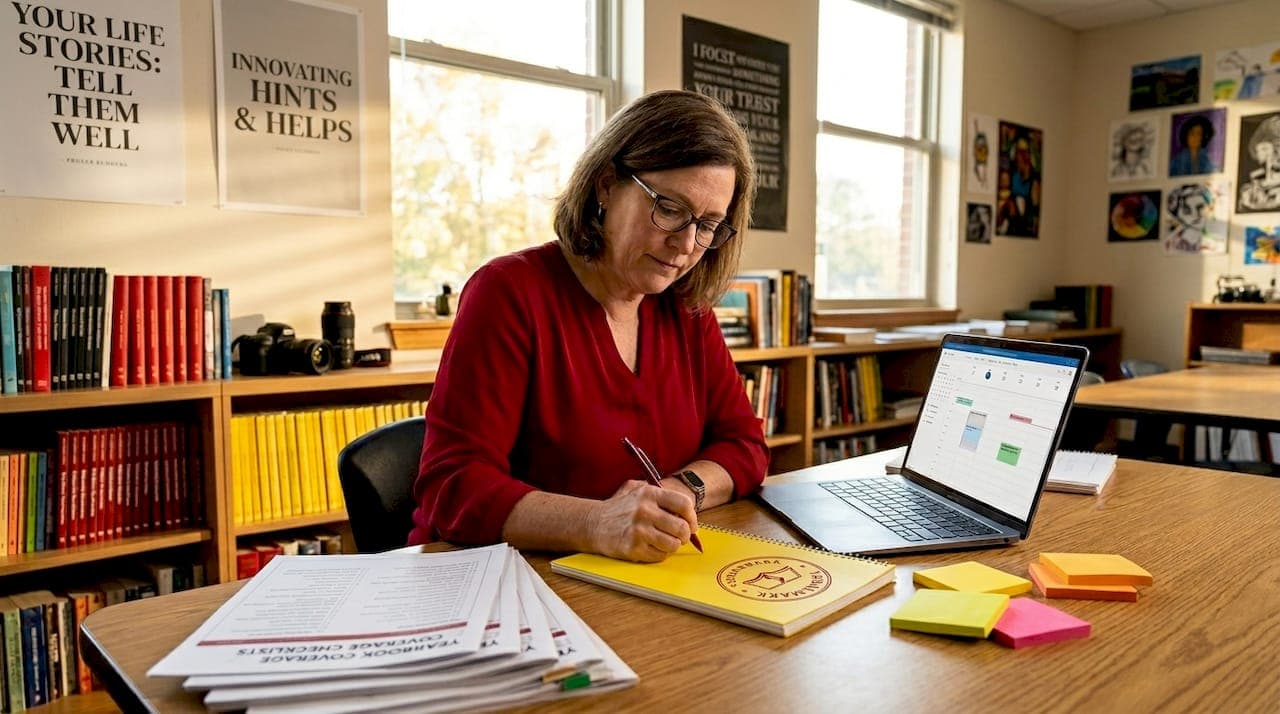
A yearbook coverage plan is the systematic process of organizing how your yearbook will visually and textually capture every corner of your school community. Without one, coverage becomes reactive, uneven, and almost always incomplete. The advisers who produce the most representative yearbooks share one habit: they treat coverage planning as a workflow, not a wish list. This guide walks you through the roles, tools, assignment systems, and inclusion audits that make yearbook coverage plan creation work from the first planning meeting to final layout.
What elements and tools are essential to start your yearbook coverage plan
A yearbook coverage plan begins with identifying every area of school life that deserves documented space. The five core coverage categories are Sports, Clubs, Academics, People, and Student Life. Each one requires a dedicated section editor, at least one assigned photographer, and a writer responsible for captions and copy. Skipping this structure is the single fastest way to end up with 40 pages of football and nothing from the robotics team.
The roles that hold a coverage plan together are:
- Section editors who own the content for their assigned area from first assignment to final layout
- Photographers pre-scheduled to specific events, not just available on the day
- Writers responsible for captions, feature copy, and interview quotes
- Layout designers who flag when photo counts fall short of page requirements
- Business manager who tracks budget against coverage scope
Beyond roles, three tools are non-negotiable. A coverage checklist tracks which events have been assigned, shot, and submitted. A production timeline built backward from your delivery date sets hard deadlines for each section. Photo management software, whether Google Drive folders organized by section or a dedicated platform, keeps submissions findable and reviewable.
| Role | Primary responsibility |
|---|---|
| Section editor | Assigns coverage tasks and reviews submissions for their section |
| Photographer | Attends pre-scheduled events and submits photos by deadline |
| Writer | Produces captions, copy, and interview content per section |
| Layout designer | Builds pages and flags photo gaps before final submission |
| Business manager | Monitors budget and coordinates with vendors |
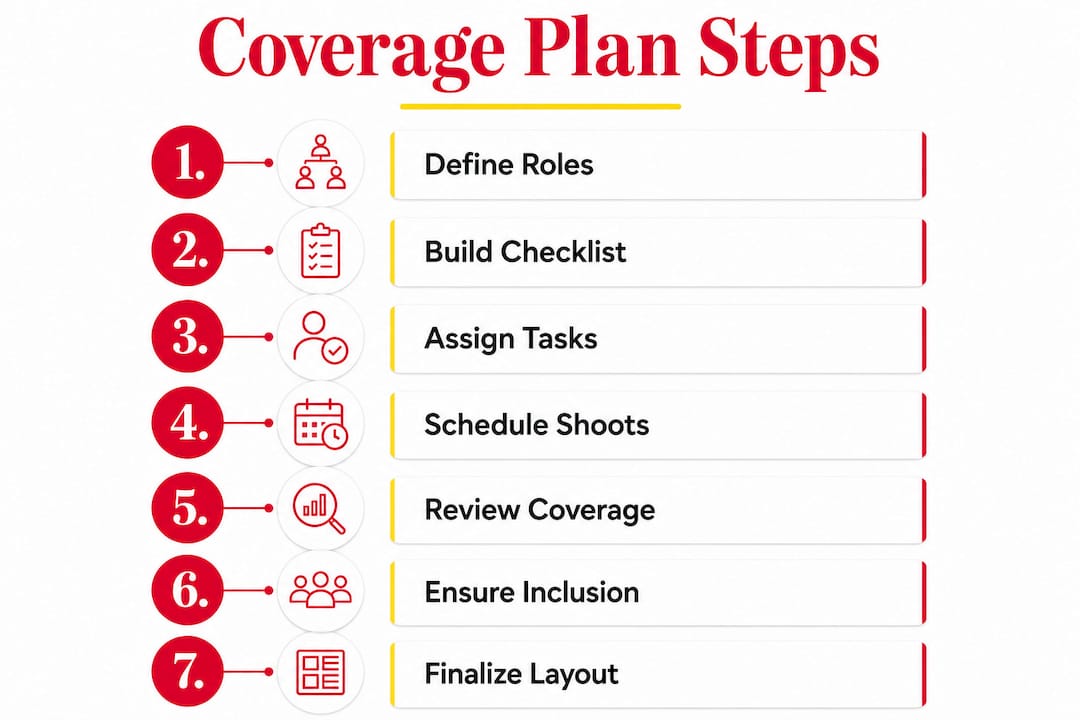
Pro Tip: Build your coverage checklist before the school year starts. List every recurring event, every club, and every sport by season so nothing gets added as an afterthought in March.
Systematic roles and timeline-driven production are the foundation of reducing coverage gaps. That means the planning work you do in August directly determines whether your May book reflects the whole school or just the loudest parts of it.
How to organize and execute your yearbook coverage assignments effectively
Organizing coverage assignments requires a repeatable process, not just good intentions. Backward scheduling from delivery dates defines your theme, budget, staff roles, and milestones before a single photo is taken. Here is the execution sequence that works:
- Map every event on the school calendar at the start of the year. Include sports seasons, academic competitions, performing arts shows, spirit weeks, and club meetings. This becomes your master assignment list.
- Assign a photographer and a writer to each event at least two weeks in advance. Use a shared spreadsheet so every team member can see who owns what.
- Create a section-specific coverage checklist for each of your five core areas. Each checklist should include the event name, assigned photographer, submission deadline, and a confirmation column.
- Set photo submission deadlines two weeks before layout deadlines. This buffer gives layout designers time to request reshoots or pull from backup sources before pages lock.
- Conduct a mid-year coverage audit in January or February. Pull every section checklist and identify which events have been covered, which are upcoming, and which have fallen through the cracks.
- Maintain a backup photographer list. When your primary photographer has a conflict, you need a replacement within 24 hours, not a gap in coverage.
Reviewing photos per section and maintaining backup lists prevents the last-minute scramble that forces advisers to either leave pages thin or reuse portraits. A yearbook photography checklist built around these steps gives your team a concrete reference point every week of production.
Pro Tip: Schedule a 15-minute weekly check-in with section editors every Monday. Ask three questions: What was covered last week? What is coming up this week? Where are you short on photos? This catches gaps while there is still time to fix them.
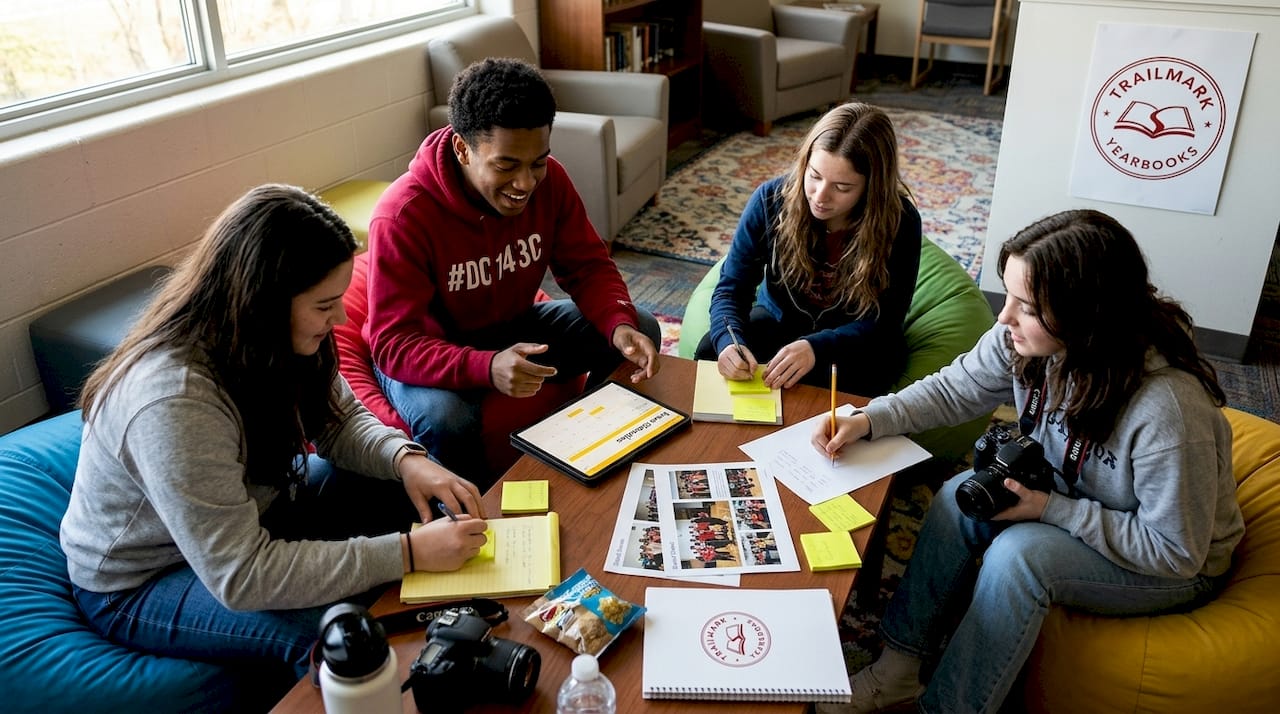
The discipline of pre-scheduling photographers is what separates teams that finish strong from teams that spend the final month begging students to dig through their phone cameras.
How to ensure inclusive and diverse yearbook coverage representation
Inclusive coverage does not happen by accident. Assigning photographers to diverse groups and reviewing content for unconscious bias are deliberate steps that must be built into your workflow, not added as a final check.
The cautionary example here is Chapel Hill High School, where special needs students were left off the yearbook due to internal procedure failures and a lack of verification. The district's response was to plan stronger collaboration and verification processes. That outcome was entirely preventable with a structured coverage audit.
Your inclusion audit should address these areas:
- Demographic balance in photo submissions. Review section drafts and count how many students from different grade levels, extracurricular groups, and demographic backgrounds appear beyond their portrait.
- Coverage of underrepresented programs. Special education, ESL classes, vocational programs, and smaller clubs are frequently undercovered. Assign them explicitly on your master checklist.
- Unconscious bias in layout choices. Which photos get full-page treatment and which get cropped to thumbnails? Review these decisions with a second set of eyes before pages are finalized.
- Student and administration verification. Share section drafts with relevant teachers, club sponsors, and administrators before layout locks. They will catch omissions your team missed.
- Equity in feature coverage. If your People section profiles only athletes and student council members, it does not reflect the actual school community.
"Coverage gaps often stem from internal procedure failures and lack of verification, not intentional exclusion." — NewsNation reporting on Chapel Hill High School
Collaboration among section editors and administration strengthens the verification process that makes inclusive coverage possible. The yearbook program success metrics that matter most include coverage breadth across student groups, not just total page count.
What are common mistakes in yearbook coverage planning?
Most coverage failures trace back to process problems, not effort problems. Turning coverage responsibilities into defined systems with checklists and deadlines is the fix. Here are the mistakes that derail advisers most often:
- Relying on memory instead of documented assignments. When a photographer misses an event and no checklist exists, the gap is invisible until layout. By then, it is too late to reshoot.
- Collecting content in a last-minute rush. Waiting until February to chase photos from September events produces low-quality submissions and incomplete sections.
- Failing to assign clear section ownership. When everyone is responsible for a section, no one is. Each coverage area needs one named editor who is accountable for its completeness.
- Skipping the verification step. Sending pages to print without a second review from teachers or administrators is how students get left out entirely.
- Ignoring early warning signs. If a section editor reports thin photo counts in October, that is the moment to intervene, not in April when the production calendar is locked.
Pro Tip: Set a hard rule: no section goes to layout without a completed checklist signed off by the section editor and the adviser. This single step catches more errors than any other review process.
A deadline management checklist built around your production calendar gives section editors a concrete tool to track their own progress. The advisers who avoid coverage crises are the ones who treat their coverage plan as a living document, updated weekly, not a one-time setup task completed in August.
Key takeaways
A yearbook coverage plan works when it converts good intentions into documented assignments, named owners, and enforced deadlines across every section of the book.
| Point | Details |
|---|---|
| Start with five core sections | Assign a named editor, photographer, and writer to Sports, Clubs, Academics, People, and Student Life before the year begins. |
| Build a backward production timeline | Schedule from your delivery date backward to set hard deadlines for photo submission, layout, and review. |
| Conduct a mid-year coverage audit | Review all section checklists in January to identify gaps while there is still time to fill them. |
| Audit for inclusion deliberately | Check section drafts for demographic balance and share them with teachers and administrators before layout locks. |
| Treat coverage failures as process failures | When gaps appear, fix the workflow, not just the missing photo. Add verification steps and backup assignments. |
Why coverage planning is really a communication problem
Most advisers I work with are not short on effort. They are short on systems that make effort visible to the whole team. The biggest coverage disasters I have seen, including situations similar to Chapel Hill, share one root cause: the adviser assumed the team understood the assignment. They did not.
What actually works is treating your coverage plan like a production contract. Every event has an owner. Every owner has a deadline. Every deadline has a consequence, which is that the section does not go to layout without the content. When you operationalize coverage that way, the team stops relying on you to catch everything and starts owning their sections.
The inclusion piece is where I push advisers hardest. It is easy to cover the homecoming game and the honor roll ceremony. It is harder to remember the ESL class holiday celebration or the adaptive PE program. Those students deserve to see themselves in the yearbook just as much as the varsity quarterback does. Build those events into your master checklist by name, assign a photographer explicitly, and verify the submission before layout. That is the only way to guarantee it happens.
I also advocate for flexibility in your timeline. Life at a school is unpredictable. A snow day wipes out a scheduled shoot. A club cancels its event. Build buffer weeks into your production calendar so one missed event does not cascade into a section with three empty pages. The advisers who finish production without a crisis are the ones who planned for disruption from the start.
— Jace
How Trailmarkyearbooks supports your coverage workflow
Planning a yearbook that covers every student and every story is a lot to manage. Trailmarkyearbooks is built to make that process less stressful for advisers, with tools for photo submission tracking, production scheduling, and design support backed by 50-plus years of combined experience.

Whether you are starting your coverage plan from scratch or trying to fix gaps from last year, the team at Trailmarkyearbooks can help you build a workflow that works. Request a sample yearbook to see how coverage translates into finished pages, or connect with a rep for personalized guidance on your school's specific coverage challenges. Trailmarkyearbooks offers free design assistance, flexible tools including Canva and InDesign, and a school-first support approach that keeps your team on track from first assignment to final delivery.
FAQ
What is a yearbook coverage plan?
A yearbook coverage plan is a structured system that assigns photographers, writers, and editors to specific sections and events to capture the full range of school life. It includes coverage checklists, production timelines, and submission deadlines for each section.
What is yearbook coverage percentage?
Yearbook coverage percentage refers to the proportion of students, groups, and events that appear in the yearbook beyond their individual portrait. A strong coverage plan targets representation across all five core sections: Sports, Clubs, Academics, People, and Student Life.
How do you prevent coverage gaps in a yearbook?
Preventing coverage gaps requires pre-scheduling photographers for every major event, maintaining a backup photographer list, and conducting a mid-year audit of all section checklists. Regular photo reviews throughout production catch shortfalls before layout deadlines arrive.
How do you make yearbook coverage more inclusive?
Inclusive coverage requires explicitly assigning photographers to underrepresented programs and reviewing section drafts for demographic balance before layout. Sharing drafts with teachers and administrators for verification catches omissions that internal reviews miss.
When should yearbook coverage planning start?
Coverage planning should start before the school year begins, with a master event list, assigned roles, and a production timeline built backward from your delivery date. Starting in August gives your team enough lead time to cover fall events without scrambling.