
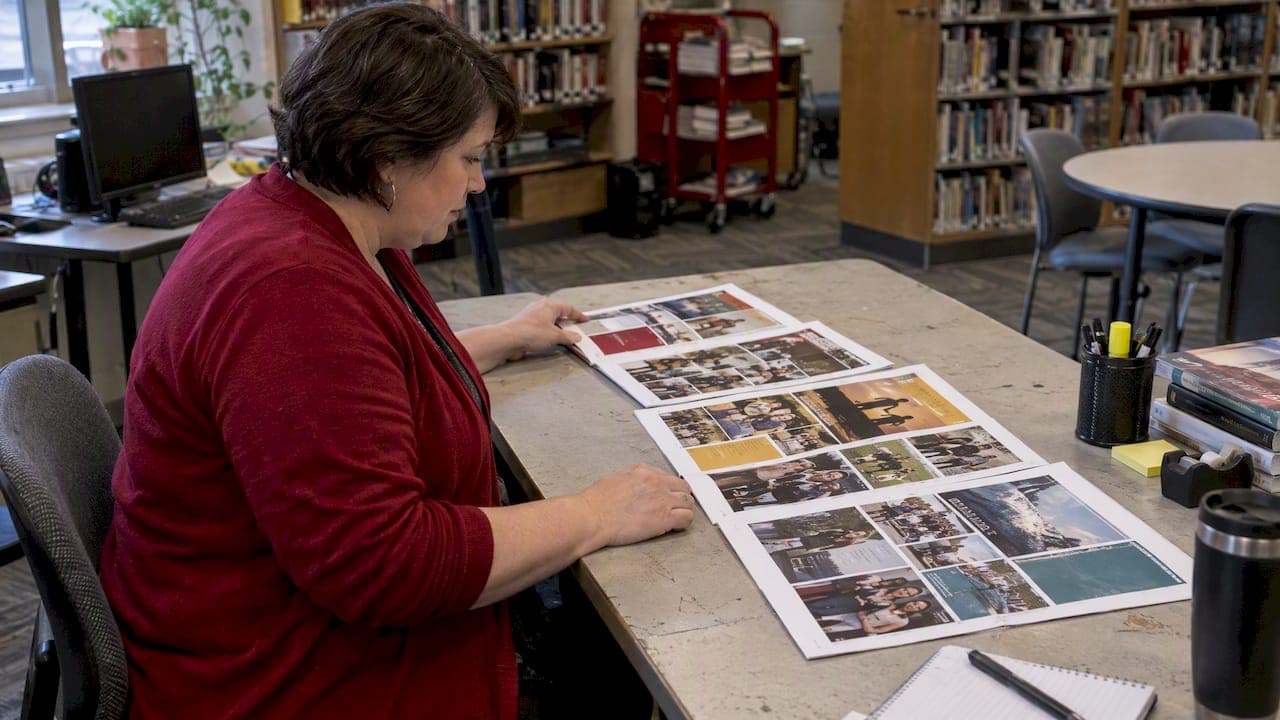
Here are practical, flexible yearbook theme ideas grouped by tone and use case, plus the exact checklist advisers need to choose and apply one. Each idea comes with a visual cue and a note on where it works best across the book. Follow through with a short student test on three sample spreads before locking anything in.
TL;DR:
- Choose themes broad enough for sports, clubs, academics, and candid pages; avoid references tied to one show or game that may feel dated by spring.
- Establish the palette, type pairing, and photo treatment before settling on a slogan, then give the designer two reference spreads and a cover direction.
- Include students across grades and interest groups in the vote, and assign photo, spread, and copy leads to sustain consistent use.
- Foil stamping, spot UV, and custom endsheets raise costs and extend production time; choose one standout finish, set ad deadlines, and request proofs early.
Table of Contents
- 1. Broad theme categories with ready-to-use ideas
- 2. Quick picks: funny, elegant, and small-school themes
- 3. How do you choose the right yearbook theme?
- 4. Defining a visual voice and choosing the cover
- 5. Getting student buy-in on the theme
- 6. Where theme choices affect cost and schedule
- 7. What I learned picking a theme that actually worked
- 8. Turning your theme into a finished yearbook
- FAQ
- Sources
1. Broad theme categories with ready-to-use ideas
Start by matching tone to the kind of coverage your book actually needs. A theme that only looks good on the cover will fall apart by page 40.
- School spirit and community: "We Are [Mascot]" or "One Team, One Book" work well because they stretch naturally into clubs, athletics, and candid pages. Apply mascot colors to section dividers and let candid shots carry the energy.
- Timeless and classic: Themes like "Chapters" or "Legacy" pair with navy, cream, or forest palettes and serif type. These suit formal cover treatments such as foil stamping or embossed board.
- Pop culture inspired but broad: Ideas like "Lights, Camera, Action" or "Level Up" scale across grade levels without locking into one trend that ages out by spring. Avoid hyper-specific references tied to a single show or game.
- Minimalist and modern: "Simply Us" or "The Year in Focus" rely on white space and photography instead of heavy graphics. These work best when your photo coverage is strong enough to carry the pages.
- Retro and vintage: "Flashback" or "Rewind" themes pair with grainy photo filters, denim or canvas cover textures, and warm color grading. They give candid pages a nostalgic feel without extra production cost.
- Travel and adventure or year-in-review: "Passport to [Year]" or "Our Journey" themes use maps, stamps, and timeline spreads to organize the whole book. This approach gives covers and interior sections a shared visual thread, and travel-themed group experiences can even inspire motifs for schools that run field trips or exchange programs.
- Literary and academic or arts and creativity: "Our Story" or "Pages of Us" themes lean on quotes, chapter-style section breaks, and student art features. These fit schools with strong writing or visual arts programs.
- Funny and quirky or hybrid themes: "Senior-ocity" or "Plot Twist" keep things light while staying school-appropriate. Hybrid themes, like pairing a retro palette with a travel motif, let advisers borrow strengths from two categories at once.
According to The Art of Education's guide to running a yearbook, a flexible theme that holds up across spreads matters more than a clever name. A theme is only as good as its ability to scale consistently through the book.
2. Quick picks: funny, elegant, and small-school themes
When you need options fast for a brainstorm or a staff vote, these shortlists cover three common requests.
- Funny themes: "Senior-ocity" (playful), "Plot Twist" (unexpected), "Squad Goals" (relatable), "No Filter" (honest), "Chaos Theory" (chaotic), "Main Character Energy" (confident).
- Elegant and formal themes: "Legacy" (timeless), "Chapters" (structured), "Golden Hour" (warm), "Still Life" (refined), "The Archive" (classic), "Evermore" (romantic).
- Small-school and elementary-friendly themes: "Our Big Adventure" (playful), "Growing Together" (community), "Rainbow Days" (colorful), "Superstar Year" (uplifting), "Story Time" (gentle), "Under the Big Top" (festive).
Whichever list you pull from, run the finalists past a small group of students before committing. Reactions from the people who will actually fill the pages tend to catch problems a staff meeting misses.
3. How do you choose the right yearbook theme?
A workable theme needs to pass five tests: flexibility across sections, a clear visual voice, coverage for sports, clubs, and academics, resonance with students, and realistic production demands.
- Check whether the theme phrase still makes sense when applied to a club spread or an academic page, not just the cover.
- Define the visual voice (palette, type, photo treatment) before finalizing any slogan or title.
- Confirm the theme can carry multiple different section types without feeling forced.
- Ask student staff which version they would actually want to see on their own yearbook.
- Weigh production needs like custom foil, specialty paper, or illustration time against your budget and timeline.
Many advisers recommend testing a theme on sample spreads representing sports, clubs, and candid sections before finalizing it, a practice the Art of Education's yearbook guidance backs as a reliable way to confirm a theme scales. Ask administrators what budget flexibility exists and ask students what feels authentic to this specific year, not just trendy. Finalize the theme early enough that photo deadlines, design time, and proofing can still happen without a rushed schedule.
Pro Tip: Mock up one real spread in the chosen theme before the full staff votes. Seeing it beats describing it.

4. Defining a visual voice and choosing the cover
Lock in the visual system before the slogan. A strong palette, type pairing, and photo treatment will carry a theme further than clever wording ever will.
- Choose a cover treatment that matches your theme's weight: foil stamping or spot UV for formal themes, photographic covers for candid-driven books, illustrated covers for arts-focused themes, and printed endsheets for an extra layer of polish.
- Build a short design checklist covering palette, type pairing, recurring motifs, and consistent photo filters.
- Avoid chasing a slogan before the visuals are settled. A strong visual system makes almost any phrase work.
- When briefing a publisher or designer, hand over the palette, two reference spreads, and the cover direction in one short document rather than a long description.
5. Getting student buy-in on the theme
A theme only works if the staff actually applies it consistently, page after page. That takes more than a single vote.
- Run a short workshop or vote that includes students from different grades and interest groups, not just the yearbook team.
- Assign theme-specific roles, like a photo lead, spread lead, and copy lead, so ownership spreads across the staff.
- Build two or three pilot spreads early to show exactly how the theme will look in practice.
- Pick themes flexible enough that different student experiences, clubs, and backgrounds show up authentically rather than forced into a single mold.
Pro Tip: Let the student who pitches the winning theme lead its first pilot spread. Ownership sticks when credit does.
6. Where theme choices affect cost and schedule
Some visual choices carry real production costs. Knowing which ones up front keeps budgets and timelines intact.
- Specialty finishes like foil stamping, spot UV, or custom endsheets add both cost and production time.
- Personalized covers and recognition ads are easy to offer but need clear deadlines built into your schedule.
- Mitigate cost by choosing a single standout finish rather than stacking several, or sticking with standard paper stock for interior pages.
- Loop in your publisher early for proofs and cover mockups so surprises show up before print, not after.
7. What I learned picking a theme that actually worked
A few years back, our staff fell in love with a theme that looked great on paper but collapsed the moment we tried it on a club spread. We rebuilt it around a simpler visual system and tested it on three real spreads before the next vote.
Do: test early, involve students, define visuals first. Don't: chase a slogan, skip early pilot spreads, ignore production limits.
— Jace
8. Turning your theme into a finished yearbook
Once a theme is picked, we help carry it through production efficiently. We offer pricing and design assistance, and support compatibility with Canva, Adobe InDesign, or our own online creator, so your visual system transfers cleanly from pilot spread to final proof.
Many advisers lose weeks waiting on quotes or approvals. Our production services run on a 2 to 3 week turnaround, which keeps your theme on schedule even when a vote runs late. Check instant pricing or request a sample to see cover finishes before you commit.
FAQ
What are some good yearbook themes for 2026?
Flexible options like "Our Story," "Level Up," and "Passport to 2026" work well because they scale across clubs, sports, and candid pages without locking into one narrow trend. Themes built around a clear visual system tend to outlast themes built around a single catchy phrase.
What are some good title ideas for a yearbook?
Strong titles usually pair a short phrase with room for visual interpretation, like "Chapters," "Main Character Energy," or "The Archive." Pick a title only after the palette and photo style are settled, since the visuals carry more weight than the wording.
What are some funny themes for a yearbook?
School-appropriate options like "Senior-ocity," "Plot Twist," and "No Filter" bring humor without needing inside jokes that only make sense to one grade. Test funny themes with a cross-section of students first to confirm the tone lands the way you intend.
What are some ideas for a yearbook?
Beyond the theme itself, strong yearbooks lean on wide early photo collection, a consistent visual voice across sections, and pilot spreads that prove the theme works before the full staff commits. A photo scavenger hunt style approach can also boost candid coverage across clubs and events.