

Every yearbook adviser knows the feeling: the school year is about to start, and you're staring at a half-empty sign-up sheet. Recruiting yearbook staff students is one of the most overlooked parts of running a successful program, yet it shapes everything from your final product to how smoothly the year goes. The right team makes deadlines manageable, content creative, and the whole process rewarding. Get the wrong group, and you're putting out fires all year. This guide gives you the specific tactics to build a motivated, capable team before that first bell rings.
Table of Contents
- Key Takeaways
- Recruiting yearbook staff students starts with knowing who you want
- Step-by-step tactics for engaging potential recruits
- Common recruitment challenges and how to handle them
- Measuring recruitment success and keeping staff engaged
- What I've actually learned from watching yearbook programs succeed and fail
- Build a stronger yearbook program with Trailmarkyearbooks
- FAQ
Key Takeaways
| Point | Details |
|---|---|
| Start recruitment early | Reaching students before schedules are finalized gives you access to a broader, more talented pool. |
| Treat yearbook like a real job | Framing staff roles as professional positions attracts committed students and sets clear expectations. |
| Use current staff as recruiters | Peer testimonials are more persuasive than any flyer or announcement you can make. |
| Target multiple channels | Counselors, social media, clubs, and classrooms each reach different students you'd otherwise miss. |
| Measure and refine annually | Tracking staff diversity, retention, and skill sets helps you improve the yearbook staff application process each year. |
Recruiting yearbook staff students starts with knowing who you want
Before you post a single flyer or make an announcement, take 20 minutes to map out the profile of your ideal candidate. The mistake most advisers make is recruiting broadly and hoping for the best. That produces a large staff full of disengaged students who drop out by November.
The students who thrive on yearbook share a specific set of traits: they are organized, they follow through on commitments, and they care about their school community. Creativity matters, but it is not the only indicator. A student who consistently turns in assignments on time and takes ownership of group projects is often more valuable than the most artistic kid in school who misses half the deadlines.
Here is what to look for when building your candidate profile:
- Organizational skills. Yearbook runs on deadlines. Students who manage their own time well make your life much easier.
- Communication ability. Staff members need to interview classmates, write captions, coordinate with photographers, and report progress. Strong communicators outperform quiet perfectionists here.
- Genuine curiosity. The best yearbook editors want to tell stories about their school. That curiosity drives them to cover events thoroughly and push for better content.
- Reliability. Check with other teachers if you can. A student's track record with other projects tells you a lot.
- Willingness to learn new tools. Yearbook production involves design software, photo editing, and layout work. Students open to learning tech skills adapt faster and contribute more.
Prepare your recruitment materials before outreach begins. You need an application form that outlines duties and time requirements, a one-page information sheet about the program, and an optional information session on your calendar. Clear expectations upfront filter out students who are just curious from students who are genuinely committed, which reduces mid-year dropouts significantly.
Pro Tip: Ask your current yearbook staff and other teachers to nominate students by name. Direct nominations carry far more weight than open announcements because they make the student feel personally chosen, not just generically invited.
| Preparation step | Why it matters |
|---|---|
| Draft application with duties listed | Sets expectations and filters uncommitted applicants |
| Schedule an info session | Gives undecided students a low-pressure way to learn more |
| Build a teacher referral list | Surfaces students who might not self-nominate |
| Prepare a sample yearbook spread | Makes the final product tangible and exciting for recruits |
Step-by-step tactics for engaging potential recruits
Once you know who you are looking for, the real work of yearbook staff recruitment begins. The most effective approach combines multiple outreach channels with a clear, compelling message about why yearbook is worth a student's time.
-
Start early in the spring. Late recruitment consistently faces a shrunken talent pool because students are already committed to other activities. Reach out before course selection is finalized, and you will have access to students who are still deciding how to spend their time next year.
-
Involve school counselors. Counselors know which students have strong organizational skills and which ones need a meaningful extracurricular to anchor their schedule. A personal recommendation from a counselor carries serious weight with students and parents.
-
Use current staff as ambassadors. The most persuasive recruiter you have is not you. Staff members sharing their experiences about teamwork, skill building, and seeing their work in print every spring will move undecided students faster than any announcement. Ask two or three current staff members to speak at your info session or make short video testimonials.
-
Target existing clubs and activities. Students already in photography, art, journalism, student council, or creative writing clubs are natural fits for yearbook. Reach out to those club advisers and ask permission to make a short pitch at one of their meetings.
-
Leverage social media and announcements strategically. Multiple channels reach different student groups. Post on the school's Instagram and use morning announcements, but do not rely on either as your primary strategy. Those cast wide nets with low conversion rates.
-
Lead with the "why," not the "what." Explaining that yearbook involves public speaking and interviewing is less compelling to a 15-year-old than saying: "You'll be the person who decides how your class is remembered forever." Connect the role to identity, pride, and legacy. That messaging works.
-
Host a short, well-organized info session. Keep it to 30 minutes. Show sample spreads, have a current staff member share a quick story, and hand out the application. Make it feel exciting, not like a club meeting.
Pro Tip: When explaining the yearbook staff application process to interested students, pair the application with a printed or digital look at last year's finished book. The tangible result makes the workload feel worthwhile before they even sign up.
Common recruitment challenges and how to handle them
Even with a solid plan, finding yearbook editors and filling your staff with capable students runs into predictable obstacles. Knowing them in advance means you are not caught off guard.
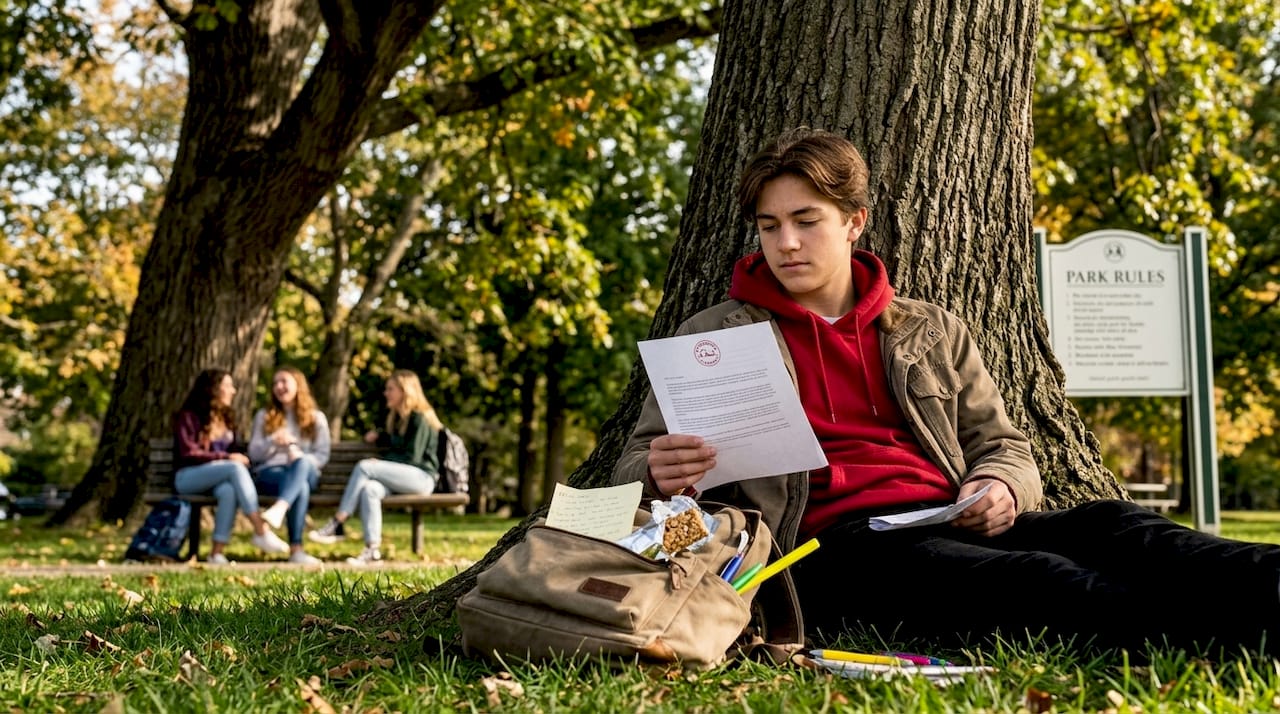
The scheduling conflict problem is the most common barrier. Many students want to join but have a conflict during the yearbook period or after school. Where possible, offer flexibility in how students contribute. Some roles, like writing captions or reviewing proofs, can happen outside of dedicated class time. Being rigid about participation structure when you have the option to be flexible costs you good students.
Low awareness and low perceived status also hold programs back. In many schools, yearbook is seen as something that just happens, not something students compete to be part of. Changing that perception takes time, but it starts with how you talk about the program. Framing yearbook as a formal credit with professional responsibilities significantly boosts student and parent buy-in.
Lack of diversity on staff is a challenge worth taking seriously. A student yearbook committee that looks and thinks alike produces a book that reflects only part of the school. Actively recruit across grade levels, friend groups, and activities. Reach out to students who do not typically join clubs. The kid who never joins anything but takes incredible photos on their phone might be your best photographer with a little encouragement.
Misunderstood roles cause many early dropouts. Students sign up thinking it will be casual, then get overwhelmed when they realize what the job actually involves. Fix this at the front end by being transparent in your application and info session.
"The most motivated yearbook staff members are not always the ones who raise their hands first. Sometimes they are the ones who needed someone to ask them directly." This is the mindset shift that separates programs with strong retention from those that are perpetually understaffed.
Use the deadline management checklist from Trailmarkyearbooks to help new recruits understand exactly what the year will look like before they commit. Seeing the full picture removes the fear of the unknown.
Measuring recruitment success and keeping staff engaged
Filling your roster is just the starting line. Knowing whether your yearbook staff recruitment strategy actually worked requires tracking a few key indicators over the course of the year.
| Indicator | What it tells you |
|---|---|
| Staff size relative to your target | Whether your outreach reached enough students |
| Retention rate at midyear | Whether expectations were communicated effectively at sign-up |
| Skill set coverage | Whether you have photographers, writers, designers, and editors represented |
| Staff satisfaction at year end | Whether the experience was positive enough to generate referrals next year |
| Diversity across grades and groups | Whether you captured the full school community in your recruitment |
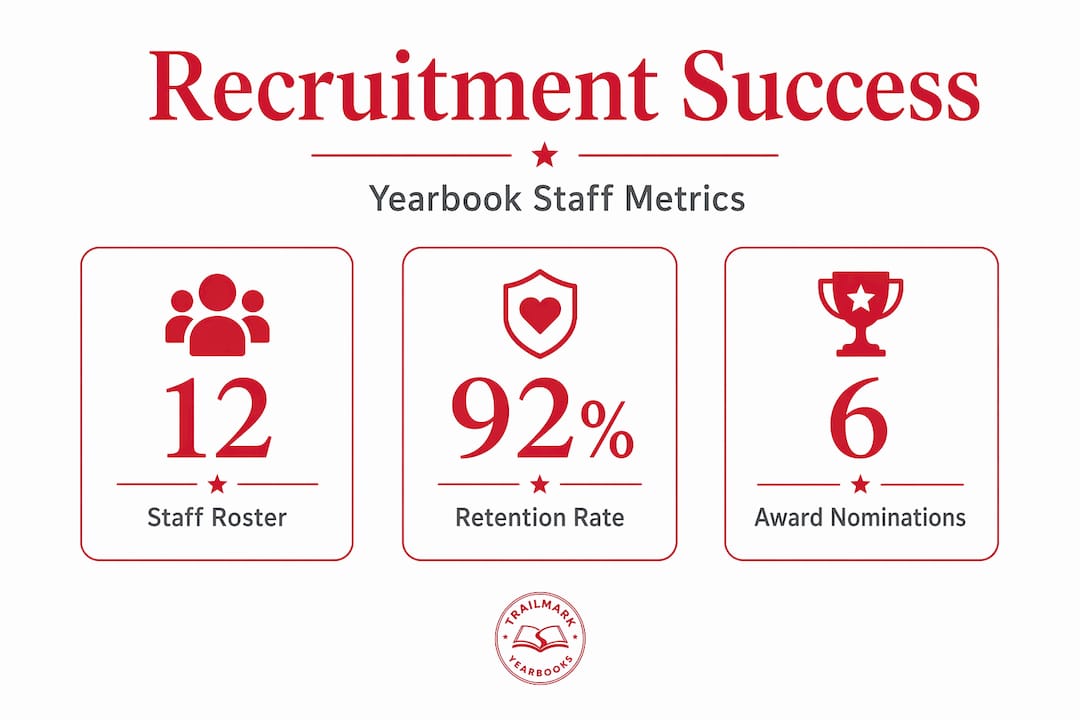
Once your team is in place, momentum matters. Students who feel like their work matters stay engaged longer. A collaborative culture built around ownership and pride in the publication directly improves both recruitment and retention year over year.
Run brief monthly check-ins where staff share what they are working on. Celebrate small wins, like finishing a section or nailing a difficult interview. Give students real ownership over their pages and sections, not just assigned tasks. For finding yearbook editors specifically, promote from within: students who see that strong contributors get promoted to leadership roles will work harder and stay longer.
Pro Tip: At the end of the year, ask your staff to write one paragraph about their experience on the team. Use those testimonials in next year's recruitment materials. They are more authentic and persuasive than anything you could write yourself, and collecting them costs you nothing.
Incorporate feedback from current staff to refine how to recruit yearbook team members going forward. Ask them what almost stopped them from signing up, what surprised them about the role, and what they wish they had known. That information is gold for improving your next round of outreach. You can also explore yearbook copy writing techniques to show recruits the creative depth the program offers, which can be a strong pull for students who love writing and storytelling.
What I've actually learned from watching yearbook programs succeed and fail
I've seen a lot of yearbook programs over the years, and the ones that struggle with recruitment almost always share the same blind spot: they treat it like a passive announcement rather than an active sales process.
Most advisers post a flyer, make one announcement, and wait. Then they are frustrated when they end up with a small, unmotivated group. The programs that consistently attract their best students treat recruitment like it matters as much as the book itself.
Here is something that took me a while to understand: students do not want to join a club. They want to join a team that does something real. The framing makes all the difference. When you tell a student they are applying for a position on the yearbook staff rather than signing up for a club, the whole dynamic shifts. They take the application more seriously. They show up more prepared. They stay longer.
Another thing I've noticed: advisers who involve their current staff in recruiting never seem to have a pipeline problem. When students recruit their own friends and classmates, you get a cohesive group that already knows how to work together. That social foundation pays off by February when deadlines stack up and tensions run high.
The contrarian point I'd make is this: do not just recruit the obvious candidates. The student body president and the class artist will always be on your radar. But some of the best yearbook contributors I have seen were students who felt overlooked everywhere else. Yearbook gave them a place to belong, and they repaid that with extraordinary commitment.
Treat recruitment like the first editorial decision of the year. Because it is.
— Jace
Build a stronger yearbook program with Trailmarkyearbooks
When you have the right students on your team, the next challenge is giving them tools they will actually enjoy using. Trailmarkyearbooks makes the production side easier for advisers and students alike, with flexible design options through Canva, InDesign, and an online creator that tech-savvy students pick up quickly. Fast 2 to 3 week turnarounds and no hidden fees mean less stress for your whole staff.
You can explore adviser resources that include recruitment support materials and production guidance built specifically for school programs. If you want to show prospective staff what the finished product looks like before they commit, request a sample and put it right in front of your recruits at your next info session. Nothing sells the program better than holding the real thing. Ready to get personalized help? Talk to a rep and find out how Trailmarkyearbooks can support your program from day one.
FAQ
When should I start recruiting yearbook staff?
Start in the spring before the school year you are recruiting for. Students who are still finalizing their schedules are more available, and you get first access to the strongest candidates before other activities claim them.
What makes a strong yearbook staff application process?
A strong yearbook staff application process includes a written application with duties and time commitments listed clearly, a short interview or info session, and a teacher recommendation. This combination filters for commitment without making the bar too high for interested students.
How do I recruit students who have never considered yearbook before?
Work through school counselors, target students in related clubs like photography or journalism, and have current staff reach out to classmates directly. Personal invitations consistently outperform open announcements for students who would not self-nominate.
How many students do I need for a yearbook committee?
The size of your student yearbook committee depends on your school's enrollment and the scope of your book, but most programs function well with 8 to 20 active members. Prioritize skill coverage over sheer numbers.
What is the biggest reason students drop off the yearbook staff mid-year?
Unclear expectations at sign-up are the leading cause of mid-year dropouts. When students understand the full time commitment and responsibilities before they join, retention improves significantly throughout the year.